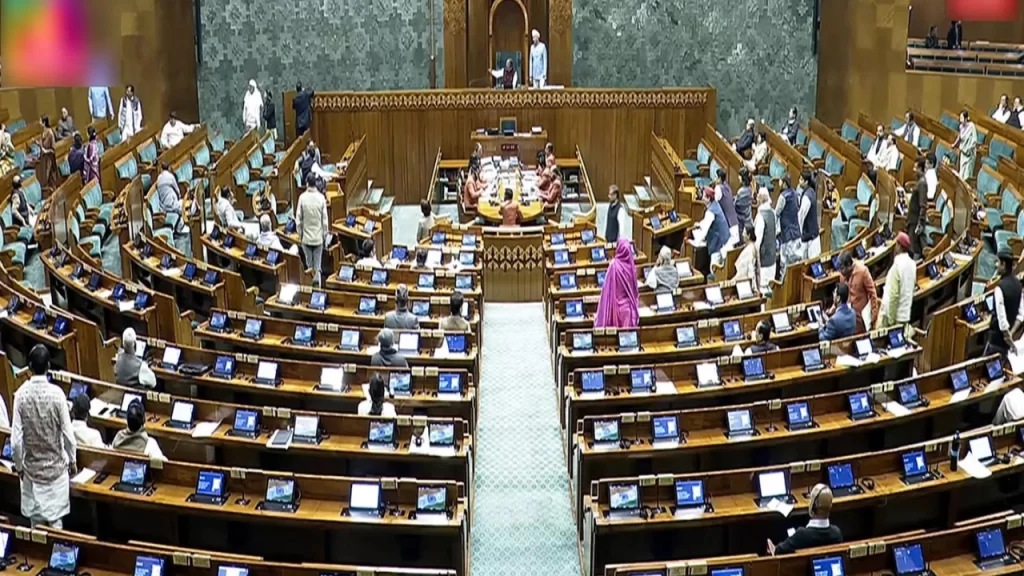
The Lok Sabha on Wednesday, December 10, 2025, witnessed a heated confrontation between the Opposition and Treasury benches during an ongoing discussion on the Special Intensive Revision (SIR) of electoral rolls. The issue, taken up during the Winter Session of Parliament, has triggered sharp political divisions amid allegations of voter manipulation and counter-accusations of appeasement politics.
The government opened the session by outlining progress on the SIR, a nationwide exercise aimed at updating and verifying voter lists. According to officials, the revision includes removal of duplicate entries, confirmation of voter addresses, and enrolment of newly eligible citizens. However, several Opposition MPs claimed that the process was being misused to influence electoral outcomes in sensitive constituencies.
Opposition Claims Systematic Suppression of Voters
Opposition leaders alleged widespread irregularities in the verification process, arguing that thousands of genuine voters—particularly those belonging to the urban poor, migrant workers, and minority communities—had been removed from the rolls without proper scrutiny. They described the exercise as “institutional vote chori,” accusing the government of enabling targeted disenfranchisement.
Members also highlighted what they termed procedural lapses, such as incomplete field verification, delays in processing Form 6 applications, and inconsistent communication between local electoral officers and applicants. They pressed for immediate intervention and demanded the formation of a parliamentary oversight committee to examine the alleged discrepancies.
Key Opposition concerns included:
- Unexplained deletion of verified voter names
- Gaps in house-to-house verification
- Delayed approvals of new voter registrations
- Disproportionate impact on vulnerable groups
Some MPs further warned that the ongoing errors could affect the credibility of the 2026 state election cycle if left unaddressed.
Government Terms Allegations “Baseless” and Politically Driven
In response, ministers from the Treasury benches dismissed the accusations, stating that the SIR is a routine, legally mandated revision carried out under strict guidelines issued by the Election Commission. They argued that the Opposition was attempting to cast unwarranted doubt on constitutional processes for political gain.
The government maintained that technological integration, including Aadhaar-based verification tools, had significantly improved the accuracy of electoral rolls. Officials added that adequate grievance mechanisms—both digital and offline—are available to citizens who believe their names were wrongly removed.
According to the government, the SIR is essential to prevent duplication, eliminate deceased voters, and streamline the electoral process ahead of upcoming polls.
Status of the SIR Exercise
| Component | Current Status | Objective |
|---|---|---|
| House-to-house verification | 78% completed | Confirm voter identity and address |
| New voter enrolments | Ongoing | Add citizens turning 18 and above |
| Claims and objections window | Active | Facilitate corrections and appeals |
| Digital updates | Expanded across states | Improve accuracy, reduce manual errors |
A Debate Reflecting High Political Stakes
Observers note that the intensity of the debate shows how critical the voter roll issue has become as parties gear up for a high-stakes election year in 2026. With narrow margins expected in several constituencies, both sides view the accuracy of the electoral register as central to ensuring electoral fairness.