
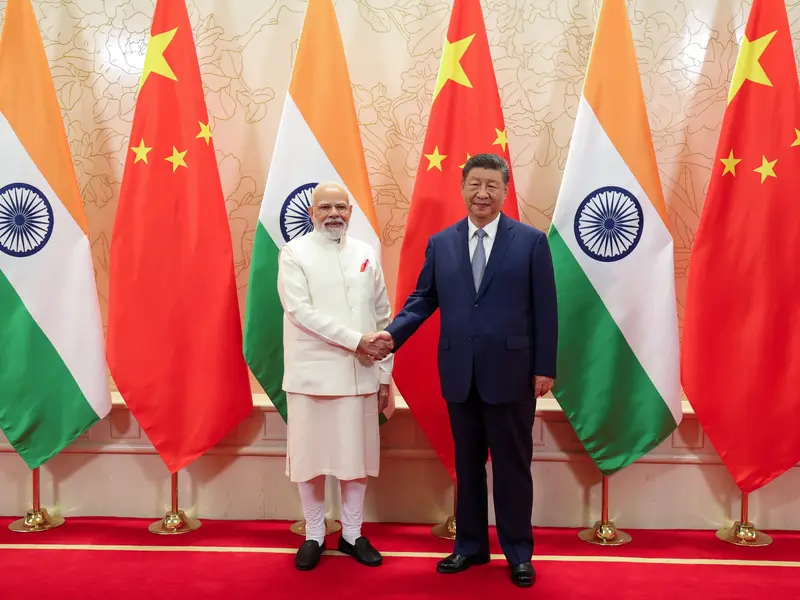
September 1, 2025 — Prime Minister Narendra Modi held crucial bilateral discussions with Russian President Vladimir Putin and Chinese President Xi Jinping on the sidelines of the Shanghai Cooperation Organisation (SCO) summit in Tianjin, marking a significant moment in India’s diplomatic outreach amid shifting global dynamics.
The summit, which brought together leaders of major Eurasian powers, focused on enhancing regional security, strengthening economic cooperation, and addressing pressing geopolitical challenges. Prime Minister Modi’s separate engagements with Putin and Xi highlighted India’s intent to balance strategic partnerships while asserting its independent foreign policy stance.
During his meeting with President Putin, Modi emphasized the importance of the longstanding India-Russia relationship, particularly in the fields of defense cooperation, energy security, and space exploration. Both leaders reaffirmed their commitment to advancing joint projects, including nuclear energy collaboration and military technology exchanges. Sources indicated that discussions also touched upon regional stability in Central Asia and the evolving security situation in Afghanistan.
Equally notable was Modi’s interaction with President Xi Jinping, the first in-person meeting between the two leaders in over two years. The dialogue was closely watched as India and China continue to navigate strained relations following border tensions in Ladakh. According to officials, the talks focused on maintaining peace along the Line of Actual Control (LAC), improving trade ties, and exploring opportunities in multilateral frameworks. Modi stressed the need for “mutual respect and trust” as a foundation for restoring normalcy in bilateral relations.
The SCO summit itself underscored the growing relevance of the organization, which includes India, China, Russia, Pakistan, and several Central Asian nations. Leaders discussed enhancing connectivity through projects like the International North-South Transport Corridor, as well as expanding cooperation in counterterrorism, climate change, and digital transformation.
Analysts view Modi’s back-to-back meetings with Putin and Xi as a strategic balancing act. While New Delhi has strengthened its partnership with the United States and other members of the Quad in recent years, it continues to maintain close ties with Moscow and seeks to stabilize its relationship with Beijing. This multi-vector diplomacy, experts argue, positions India as a key player in shaping regional and global order.
Commenting on the engagements, foreign policy expert Dr. Ananya Mukherjee noted, “Prime Minister Modi’s outreach reflects India’s pragmatic approach. At a time when global alignments are fluid, engaging both Russia and China at the SCO sends a message that India is committed to dialogue, even with partners where challenges remain.”
The outcomes of the meetings are expected to shape India’s foreign policy trajectory in the coming months, particularly regarding energy security, border stability, and regional trade. With global uncertainties continuing to dominate headlines, the Tianjin summit has once again highlighted India’s pivotal role in navigating complex power dynamics.

