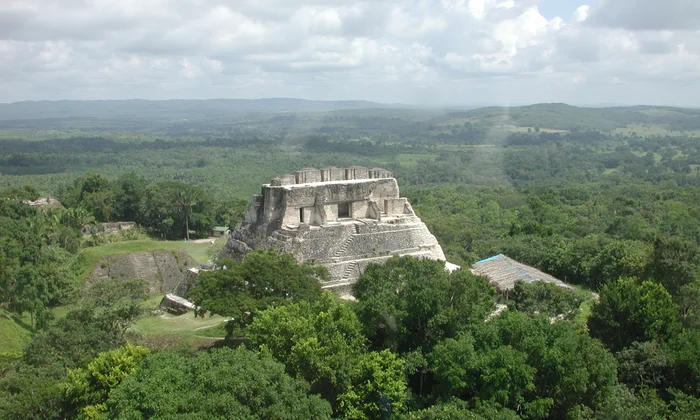
July 11, 2025 — In a historic archaeological breakthrough, researchers have discovered a treasure-filled tomb believed to belong to a powerful ancient Mayan king in Caracol, Belize. The discovery was made by Dr. Arlen and Dr. Diane Chase from the University of Houston, following over 40 years of excavation work at the ancient site.
The tomb, remarkably well-preserved and untouched for more than 1,300 years, contains an array of precious artifacts, including jade jewelry, ceremonial vessels, obsidian blades, and intricately carved masks. The burial chamber, hidden deep beneath the city’s core, is believed to date back to the 7th century CE, during the height of the Classic Maya civilization.
“This is one of the richest royal burials ever found in the Maya world,” said Dr. Arlen Chase, who, along with his wife and co-researcher, Dr. Diane Chase, has spent decades studying the ancient city of Caracol. “We are looking at a moment frozen in time — a royal burial undisturbed since its sealing over a millennium ago.”
Initial findings suggest the tomb may belong to K’an II, a prominent ruler of Caracol known for expanding the city’s influence across Central America. Stone inscriptions near the site reference the king, raising hopes that the tomb will offer critical insights into his reign and the political dynamics of the era. However, archaeologists caution that further analysis is needed before confirming the identity of the remains.
Beyond its historical implications, the tomb’s architectural sophistication has also stunned experts. The chamber features vaulted ceilings, painted walls, and concealed passageways — hallmarks of elite Mayan engineering. The skeletal remains show signs of royal status, including cranial modification and decorative dental inlays, both common among high-ranking Mayan elites.
“This tomb is a window into royal life, death, and power in the ancient Maya world,” noted Dr. Diane Chase. “It provides an extraordinary glimpse into their artistry, rituals, and social hierarchy.”
The Belizean government has welcomed the discovery, with officials already discussing preservation efforts and plans to promote the site as a major cultural tourism destination. The Institute of Archaeology in Belize praised the Chases’ commitment to long-term research and stated that the find would elevate global understanding of Mayan civilization.
Caracol, once one of the largest and most influential city-states of the ancient Maya, continues to be a rich site for archaeological investigation. This latest discovery is expected to spark renewed interest in Mayan studies and draw international attention to the region’s historical significance.
Further studies, including DNA analysis and inscription translation, are underway and expected to yield more information about the tomb’s occupant and the cultural practices of the time.