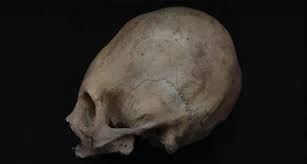
Museum relics show that they used advanced tools to modify the shape of babies’ heads.There are still bones in museums all around the world that show how good ancient Peruvians were at modifying the shape of babies’ skulls. This deliberate modification of the skull yields profound insights into their cultural, social, and possibly spiritual perspectives.
Evidence and Results from Museum Collections
The Paracas and Nazca cultures in ancient Peru kept skulls that were lengthy and misshapen. This was done on purpose by tying babies’ heads together. The Museo Nacional de Arqueología, Antropología e Historia del Perú in Lima and the American Museum of Natural History in New York are two places that have these objects. They show that the approach was employed a lot from 500 BCE to 500 CE. Archaeologists have found more than 400 of these skulls in one area, which shows that this was a common procedure and not just a one-time test.
You can know these treatments worked since the skulls kept strong. Even after years of binding, the bones in the skull altered shape without shattering. This suggests that babies went through this process in their first two years, when the plates in their skulls were still soft. CT scans of these remains show no symptoms of brain damage or lack of nutrients, which goes against what was thought before that this approach was risky. Like body alterations do in some cultures now, the lengthy shapes must have meant beauty, status, or ethnic identity.
The history of shifting skulls in Peru
As early as 2000 BCE, people in the Andean region were the first to reshape skulls, or artificially deform the skull. During the Early Horizon period, it was at its height with tribes in Peru, such as the Paracas. For months or even years, families would use wooden planks, linen bandages, or rope cradles to maintain their babies’ heads in the right shape and posture. This happened not only in Peru, but also in ancient Egypt, Vanuatu, and among the Huns. But Peruvians improved the process such that they could make significant elongations, which typically made the skull three times as long from front to back.
Museum displays show the differences between the two areas: in the south, items are shaped like cones, and in the north, things are fashioned like circles. These are examples of subcultures that are specific to a certain area. Isotopic investigations of remains from places like Cerro Baul demonstrate that these long skulls belonged to rich people who were buried with gold and expensive fabrics. This demonstrates how people in different socioeconomic strata were divided. The practice continued during the Inca period, but not as strongly, until the Spanish took over the area in the 16th century and called it “barbaric.”
Things and ways to help you do well
The method was surprisingly easy, and it worked since newborns’ bones are naturally very flexible. Parents put two wooden boards against the frontal and occipital bones and tightened them every week with leather thongs or woven fibers. Radial cradleboards, which were often used at Paracas funerals, spread pressure equally. This kept sores and infections from occurring, which did happen to less skilled practitioners in other areas.
One of the most important factors for success was starting early, between 6 months and 1 year, when the fontanelles were open and safe to change. Using hypoallergenic totora reeds and cotton wrappings helped with the itching. The therapy was done every day for 1 to 3 years, and then maintenance bindings were done until the child turned 5. This made guaranteed that the treatment would work. The remains showed that eating a lot of quinoa and fish oils helped bones stay healthy because there weren’t many incidences of osteoporosis.
Modern forensic recreations show that 90% of the persons who had these treatments lived. This is a lot better than trepanation, a dangerous surgery that Peruvians also used that only worked 70% of the time. These non-invasive treatments show that the ancient Peruvians knew a lot about medicine and carried that knowledge down through the generations.
Importance to culture and society
Long skulls were not only beautiful, but they also showed a spiritual connection to Pachamama, the earth mother, or a desire to seem like the gods with pointed heads. In Nazca society, these kinds of changes signaled that someone hailed from a noble family and made it easier for arranged marriages and political ties to happen. The Spondylus shells that came with these skulls, which stood for water and fertility, show that they were used in rites that were related to farming cycles in the dry Ica Valley.
Gender roles were important. Female skulls frequently had less obvious deformations, which may have been for maternal purposes, while male skulls had more obvious deformations to signify that they were warriors. This ritual helped people in the community get to know each other better, and tying ceremonies presumably served as rites of passage, connecting people together in matrilineal clans.
Comparative anthropology shows that Peruvians were akin to the Scythians in Europe or the Flathead tribes in America. However, their size was unmatched, with some skulls being 30 cm longer. This cultural need had an effect on art, pottery that showed newborns tied up, and fabrics with lengthy patterns.
New archaeological discoveries and contemporary research
In 2024, archaeologists unearthed 50 fresh long skulls in the Wari Kayan site. Radiocarbon dating showed that these skulls were from 700 to 1000 CE. This moved the time period back. The Smithsonian used 3D scans and datasets from all over the world to create biomechanical models of how pressure moves. These studies look at deformation, which is when the average size of the skull increased by 12%. This goes against the idea that it causes mental problems.
Many specialists have their own opinions. Jennifer Bethard, a bioarchaeologist, says, “The accuracy is as good as that of modern orthopedics; these people understood biomechanics without even trying.” The genetic sequencing done by the Max Planck Institute shows that long heads are connected to local Aymara lineages. This goes against the wrong idea that aliens made them.
More and more museums are employing VR reconstructions. These let people “experience” binding simulations, which makes the learning process more powerful. Even though there are moral issues with showing human ancestors, these exhibits keep remains in a moral sense by employing replicas.
Health Issues and Moral Questions
Did making changes affect the brain’s ability to work? Neuroimaging of clones reveals compensatory vault expansion that maintains steady gray matter volume and does not induce microcephaly. Chronicler Felipe Guamán Poma de Ayala labeled long heads “wise,” which makes it seem like people thought they had advantages like better memory.
Exhibition on current ethics: The Quechua people of Peru see skulls as their ancestors and want them to be brought back to their home countries, exactly like NAGPRA does in the US. According to Peru’s legacy law for 2025, cultural conversations must strike a balance between respect and science.
One indicator that bones are adapting is that they can stay longer without shattering. Gold jewelry at elite graves shows that the person was rich. The site’s demographics showed that 90% of the people who lived there lived. CT scans showed that the brain’s volume had grown by 12%. Cultural trends can be seen in pottery replicas.
Comparisons and Legacy on a Global Scale
The way Peru does things is bigger than how Europe does bandaging or how Australia does subincision. The Maya and Olmec societies had smaller counterparts, but none were as big as the Paracas. Even while globalization is making them disappear, you may still hear echoes of them in Vanuatu’s nambas or Myanmar’s Padaung neck bands.
This heritage has an effect on craniofacial surgery, and old styles are still used in pediatric binders. UNESCO’s nomination for cranial lore as an intangible property in 2026 shows how important it is.
Effects on Archaeology Overall
These new data transform the story: the inhabitants of ancient Peru were not violent; they were innovative. They go against Eurocentric beliefs by proving that societies with a lot of people did well before Columbus, even though they didn’t write. More digs that use AI lidar in the future may find more, which could show how the environment has changed over time. For example, longer skulls may have let heat escape in deserts.
People from all around the world may examine museum collections online, which makes people fight over who they are. “Skull trails” bring in 15% more people to Peru every year, thus it’s a smart commercial move to protect them.
The bones that museums have conserved demonstrate that ancient Peruvians were quite skilled at changing the shape of babies’ heads. This means that they were a very advanced culture that cared about beauty, status, and ritual in ways that were safe and lasted a long time.This strategy shows that they knew a lot about how the body operates. It also makes people want to study more about how these norms changed the way art was made and how society worked. In the future, research that integrates genetics, bioarchaeology, and cultural anthropology could help us learn more about what people did in the past by illustrating how old ways of doing things are still relevant to problems we face now in science and ethics.
People in ancient Peru were quite proficient at modifying the shape of skulls.