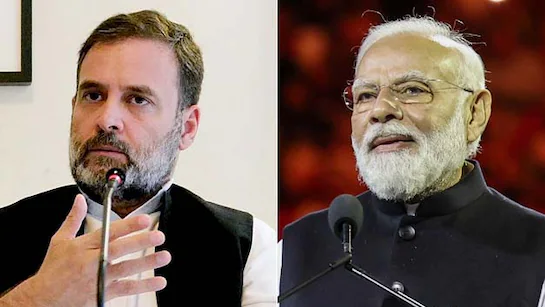
A high-profile meeting between Prime Minister Narendra Modi, Leader of the Opposition Rahul Gandhi, and Home Minister Amit Shah today has sparked significant political discussion. The approximately 90-minute meeting in Parliament focused on finalising key appointments to the Central Information Commission (CIC) and the Central Vigilance Commission (CVC).
The discussions come at a crucial time, as the CIC faces a growing backlog of Right to Information (RTI) appeals due to several vacant posts. The appointments being considered include a new Chief Information Commissioner, eight Information Commissioners, and a Vigilance Commissioner. These roles are vital for maintaining institutional oversight, ensuring transparency, and strengthening governance mechanisms.
Appointment Process and Political Significance
The selection process for both CIC and CVC positions is guided by statutory provisions. A three-member committee, consisting of the Prime Minister as Chair, the Leader of the Opposition, and a Union minister nominated by the PM, recommends candidates. These recommendations are then formalised by the President of India.
The presence of Rahul Gandhi in the meeting highlights the political sensitivity surrounding these appointments. Opposition leaders have repeatedly stressed the importance of maintaining independence and avoiding political influence in bodies such as the CIC and CVC. Analysts note that while these appointments are administrative in nature, they often become a focal point for broader political negotiations and scrutiny.
Reactions and Implications
Political observers say the meeting signals a rare moment of cross-party engagement on governance issues. However, there are contrasting reactions: the ruling party emphasises the necessity of filling critical vacancies to strengthen transparency and efficiency, while opposition voices raise concerns about impartiality and the potential politicisation of oversight bodies.
The outcome of these deliberations will have far-reaching consequences for India’s accountability framework. With pending RTI cases piling up and vigilance mechanisms under pressure, timely and credible appointments to these commissions are seen as essential to restoring public trust in government institutions.
Looking Ahead
As the political discourse unfolds, stakeholders are watching closely to see whether consensus can be reached. The decisions taken will not only impact the functioning of the CIC and CVC but also set a precedent for future interactions between the government and opposition in critical administrative appointments.
Key Points:
- Meeting lasted approximately 90 minutes in Parliament.
- Focused on appointments to CIC and CVC.
- CIC facing backlog of RTI appeals.
- Appointment process involves PM, LoP, and a nominated minister.
- Political debate centers on independence and transparency of institutions.