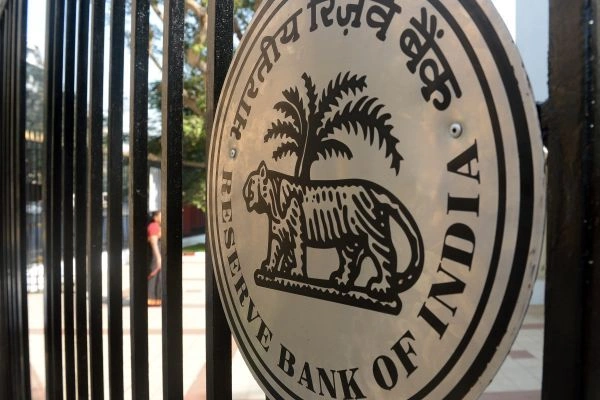
This action underscores the Reserve Bank of India’s determination to tackle financial impropriety head-on. The public notice, released on April 9, 2026, highlighted the bank’s precarious operating conditions, with a particular focus on insufficient capital and persistent financial deficits.
For the many individuals with funds at this Dhule district institution, it’s a stark reminder of the risks associated with urban cooperative banks, which are often relied upon for convenient loans and savings.But what exactly triggered this, and what about the security of everyday account holders’ funds?
This isn’t an isolated incident. Cooperative banks across India have faced considerable scrutiny lately, primarily due to issues with governance and risky lending. Shirpur Merchants, a bank founded in 1981, has been serving farmers, merchants, and small businesses in the arid Khandesh region.
Operations ground to a halt immediately; the license had been revoked.
The Reserve Bank of India has ordered that no more transactions can take place, and the bank is required by law to close. The Deposit Insurance and Credit Guarantee Corporation (DICGC) protects deposits up to ₹5 lakh for each depositor, nevertheless.
But obviously doesn’t help folks with greater balances too much.
The Backstory: A Bank on the Edge
The Shirpur Merchants Co-op Bank began as a tiny co-op in the town of Shirpur, which is around 400 kilometers from Mumbai. It helped the economy of the area by growing cotton and soybeans. By the 2010s, its assets had grown to more than ₹100 crore, but issues started to crop up early. RBI inspections showed that non-performing assets (NPAs) were still a concern, usually because of loans to insiders or projects that weren’t going to function. The central bank set rules in 2023 that made it so that each account could only withdraw ₹25,000 per month. This blocked a lot of money from getting out.
What caused it to break? A big part of it was bad risk management. This cooperative bank often lends money based on personal relationships instead of credit checks, which leads to defaults. The problem with Shirpur is like the problem with PMC Bank in 2019, when bad loans to one real estate company for ₹4,000 crore made the bank go out of operation. There were also accusations of bias here. According to Dhule’s local news, loans are going to people with political ties, and less than 50% of them are paid back. RBI records show that by March 2026, the bank’s net worth had fallen to ₹20 crore.
What the RBI did was normal for them. The Banking Regulation Act, which applies to co-op banks, specifies in Section 22 that the regulator can close a bank if its financial condition puts the public’s interest at danger. Shirpur didn’t do well in a number of ways:
The capital adequacy ratio dropped below the 9% level needed, which meant the corporation couldn’t withstand losses.
NPA levels: More than 60% of loans were considered bad, which is a lot higher than the industry average of 10% to 15%.
Liquidity crunch: Couldn’t cover the needs of depositors without support from other sources.
These aren’t just numbers on a balance sheet. Co-op banks fill a huge gap in Maharashtra’s rural areas, where regular banks aren’t very common. Over 40% of homes are still not in the system. The most painful thing is that they failed.
Protection for Depositors: The ₹5 Lakh Safety Net
Most clients are only thinking about getting their money back right now. DICGC coverage starts now, which is good news. The bank’s accounts in India are safe up to ₹5 lakh for each deposit. Around 15,000 people in Shirpur put money in, and the total was close to ₹150 crore. The RBI said that 98% of customers would get their entire payment swiftly, with claims being settled in 90 days.
But there are still some things we don’t know. What about the remaining two percent of people who have more than ₹5 lakh in their accounts? They might be able to receive some money back from the bank’s liquidation, which might take years. One shopkeeper in Shirpur, who didn’t want to provide their identity, told the news, “I’ve saved ₹8 lakh here for my daughter’s wedding.” What now? Many people who work in Maharashtra’s co-op industry feel the same way.
The RBI directed the bank to stop all transactions and hand over data. People who have money in the bank can go straight to DICGC, although there will be enormous waits at temporary service desks in Shirpur. Settlements used to take an average of 45 days, but now they happen faster because of digital claims. This happened with Lakshmi Vilas Co-op Bank, which was shut down in 2020.
More Effects in Maharashtra’s Co-op Maze
These failures occurs in Maharashtra, which has more than 30% of India’s 1,400 urban cooperative banks. Since 2020, RBI has taken away 15 licenses in the state, including Madhavpura Mercantile five years ago. The most recent bank to lose its RBI license was Shirpur Merchants in 2026. It was the last bank to close in Gujarat and Karnataka.
RBI’s Crackdown: Is It Too Much or Too Little?
After the PMC scam, RBI Governor Shaktikanta Das has been paying closer attention. The new rules specify that audits must happen every three months, that the criteria for NPAs must be stricter, and that the board must authorize big loans. In 2025, the central bank established up a “quick corrective action” mechanism for co-ops that is similar to what big banks have to cope with. This is why Shirpur was called off: the RBI warned the bank for months, but it couldn’t get extra money.
Some individuals think it’s too harsh. The Maharashtra Urban Co-op Banks Federation claims that the RBI’s strategy of treating all banks the same doesn’t take into account how tiny banks help consumers acquire financial services. A spokesperson for the group said, “These aren’t HDFC; they’re lifelines for the community.” But the facts back up the RBI: more than 300 of the country’s 1,526 urban co-ops are being watched, and 50 of them are facing limits.
This narrative happens all over the world. The UK shut down 10 small banks after the crisis in 2008. This happens dozens of times a year for the US FDIC. India’s troubles with co-ops are like what Turkey did in 2019 when it fired more than 200 failed banks. What did we find out? Weak banks undermine the system.
How long will this model be around? As digital banks like Fi and Jupiter become more prevalent, do we really need these old things?
Effects on India’s Banking System
The closure in Shirpur sends shockwaves all the way to Dhule. Businesses in the area that depend on quick co-op financing are now in a rush. Soybean traders who borrowed ₹10–20 lakh every season are having problems acquiring loans from institutions like SBI. Last week, rumors of a small bank run in nearby Nashik and Jalgaon spread to other co-ops. The RBI had to say things that made people feel better.
It shows how dangerous it is for urban cooperative banks to fail in India on a national basis. Small depositors are now safer with ₹5 lakh in insurance than they were previously (it was ₹1 lakh until 2020). But the economy doesn’t like it. Co-ops own 10% of rural credit, and their instability makes it hard for MSMEs to grow, which is vital for India’s objective of a 7% GDP.
What did the government do? Last year, Finance Minister Nirmala Sitharaman pushed the Banking Regulation Amendment Bill through. This bill provided the RBI more power over co-ops. Devendra Fadnavis, the chief minister of Maharashtra, promised a state rescue fund, but the details are not clear.
RBI Shuts Down Shirpur Merchants Co-op Bank in Maharashtra: What It Means for Depositors and Small Savers