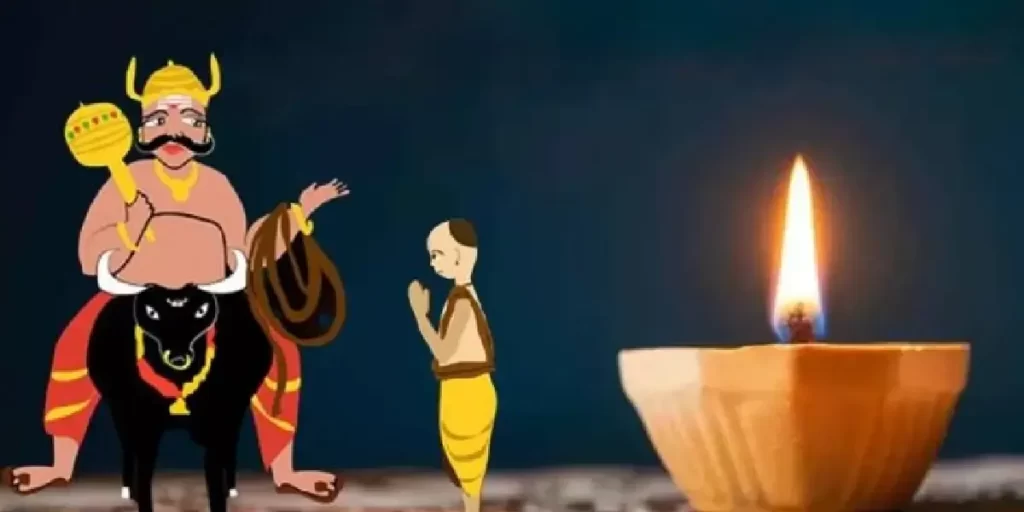
Narak Chaturdashi, also known as Choti Diwali, Kali Chaudas, or Roop Chaudas, is a significant Hindu festival celebrated on the 14th day of the Krishna Paksha in the month of Kartik. In 2025, this festival falls on October 20. While the central theme remains the same—the victory of Lord Krishna over the demon Narakasura—the manner of celebration varies across different regions of India.
Regional Celebrations:
- Goa – Burning of Narakasura Effigies:
In Goa, Narak Chaturdashi is marked by the creation and burning of large effigies of Narakasura. These effigies, often filled with firecrackers, are paraded through the streets and set ablaze at dawn, symbolizing the destruction of evil and the triumph of good over evil. - West Bengal – Kali Puja:
In West Bengal, the day is observed as Kali Puja, dedicated to Goddess Kali. Devotees engage in elaborate rituals, including the lighting of 14 lamps and the consumption of 14 types of leafy vegetables, believed to ward off evil spirits and honor ancestors. This practice is known as Bhoot Chaturdashi. - Maharashtra – Abhyanga Snan and Puja:
Maharashtrians begin the day with an early morning ritual called Abhyanga Snan, which involves an oil bath using herbal pastes. This is followed by the lighting of diyas (lamps) and performing puja (worship) to seek blessings for health and prosperity. - South India – Deepavali Bhogi:
In Southern states, the festival is known as Deepavali Bhogi. The day starts with a ritual oil bath, followed by prayers and offerings to deities. The focus is on purification and the removal of negative energies. - North India – Chhoti Diwali:
In North India, Narak Chaturdashi is celebrated as Chhoti Diwali, characterized by lighting lamps, bursting firecrackers, and decorating homes with rangoli (decorative patterns) to welcome prosperity and happiness.
Narak Chaturdashi, while rooted in the same mythological narrative, showcases the rich cultural diversity of India through its regional celebrations. Each region’s unique customs reflect local traditions and beliefs, contributing to the vibrant tapestry of India’s festive calendar. Understanding these regional variations not only highlights the unity in diversity but also enriches the experience of celebrating this auspicious occasion.