
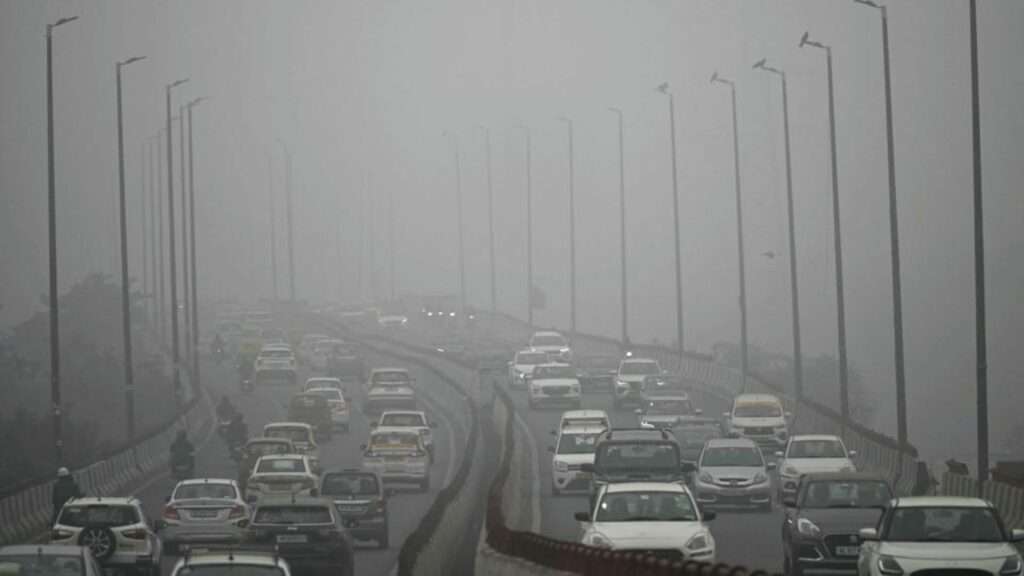
New Delhi is grappling with a critical air-quality crisis as the Air Quality Index (AQI) persistently exceeds 400, placing the city firmly in the “severe” category. In response to escalating health risks, the Delhi Government has ordered the immediate suspension of all outdoor school activities and sports events. Authorities warn that prolonged exposure to hazardous air can have serious health consequences, particularly for children, the elderly, and those with respiratory conditions.
The city’s 24-hour average AQI has hovered around 392, with several monitoring stations recording readings above 400. In certain hotspots, such as Wazirpur, the AQI has touched 477, highlighting the severity of the pollution crisis.
Under the AQI classification system:
- 0–50 is considered “good”
- 51–100 “satisfactory”
- 101–200 “moderate”
- 201–300 “poor”
- 301–400 “very poor”
- 401–500 “severe”
Doctors have described the current situation as a medical emergency, citing a sharp rise in respiratory cases across the capital. Children, senior citizens, and individuals with pre-existing health conditions are particularly vulnerable to the toxic air.
In response, the Delhi government has suspended all outdoor school and sports activities until air quality improves. The decision aligns with recommendations from environmental authorities to minimize exposure during periods of extreme pollution.
Meteorological conditions have exacerbated the situation. Low wind speeds, falling temperatures, and residual smoke from crop burning in neighbouring states have created a stagnant pollution trap over the city, making it difficult for the hazardous particulate matter to disperse.
A breakdown of pollution sources affecting Delhi indicates:
- Vehicular emissions contribute approximately 16–18% of PM2.5 levels.
- Crop-residue burning adds 2–4%, with regional weather patterns amplifying its impact.
- Construction dust, industrial emissions, and road re-suspension remain significant contributors to the city’s toxic air.
Key Facts at a Glance
| Parameter | Latest Status |
|---|---|
| Average AQI | 390–420 across Delhi |
| Monitoring stations >400 AQI | 15–18 stations |
| Forecast outlook | “Very poor” to “severe” likely for next 4–6 days |
| Health advisory | Vulnerable groups advised to avoid outdoor exposure; schools suspend outdoor events |
Delhi’s deteriorating air quality represents a pressing public-health and environmental challenge. With the AQI entrenched in the ‘severe’ zone and outdoor school activities halted, strict adherence to safety directives is crucial. In the long term, systemic interventions—such as reducing vehicular emissions, controlling construction dust, enforcing stricter crop-burning regulations, and enhancing monitoring—are essential to mitigate recurring pollution crises. The coming days will determine whether Delhi can successfully navigate this hazardous air episode or risk prolonging its public-health emergency further into the winter.

