
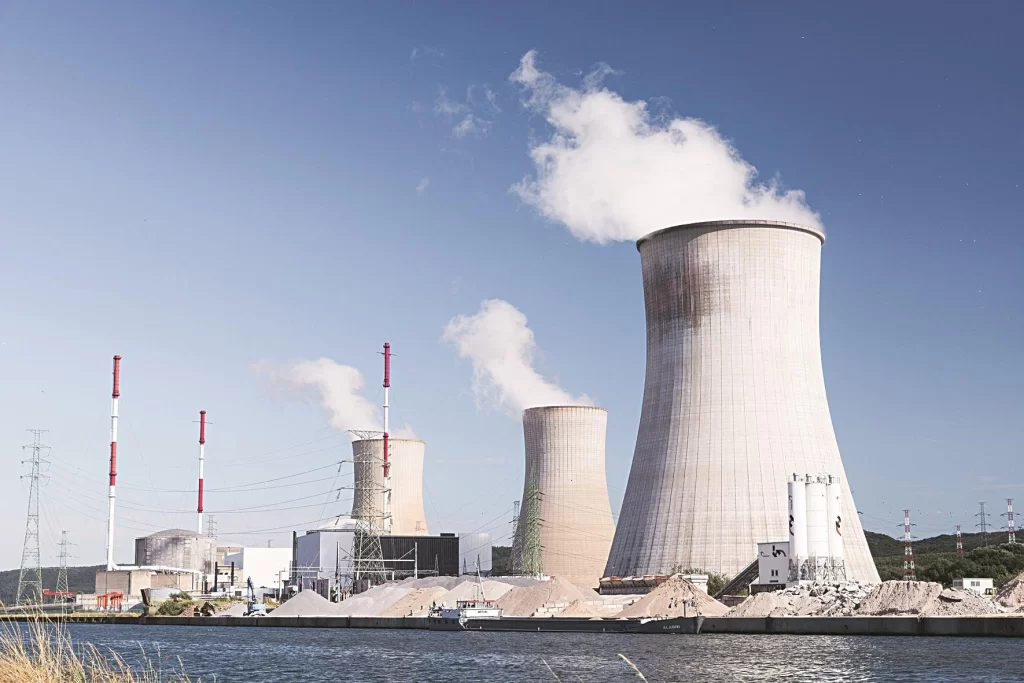
In a watershed moment for India’s energy sector, the Lok Sabha on December 17, 2025, passed the Sustainable Harnessing and Advancement of Nuclear Energy for Transforming India (SHANTI) Bill, 2025, dismantling the state’s decades-long monopoly over nuclear power generation. The landmark legislation opens the nuclear energy industry to private sector participation for the first time since independence, marking a significant shift in India’s nuclear policy and long-term clean energy strategy.
A Transformative Step in India’s Energy Policy
The SHANTI Bill, 2025 is positioned as a cornerstone reform aimed at accelerating nuclear power capacity expansion, enhancing energy security, and supporting India’s net-zero emissions goals. For over seven decades, nuclear power development remained exclusively under government control, largely managed by public sector entities. The new law fundamentally redefines this framework by allowing regulated private investment while retaining strategic oversight with the state.
The government has emphasized that the bill does not dilute national security or safety protocols. Instead, it seeks to mobilize capital, technology, and innovation from domestic private players to complement public sector efforts.
Key Provisions of the SHANTI Bill, 2025
The legislation introduces a carefully structured model designed to balance growth with accountability. Its major features include:
- Private sector participation in nuclear power generation, under strict regulatory supervision
- Government ownership of nuclear fuel and strategic assets, ensuring national control
- Mandatory compliance with nuclear safety, radiation protection, and waste management standards
- Enhanced role for independent regulators to oversee licensing, operations, and liability mechanisms
- Incentives for advanced reactor technologies and indigenous manufacturing
These provisions aim to create a transparent and investor-friendly ecosystem while preserving India’s longstanding commitment to responsible nuclear development.
Economic and Strategic Implications
The passage of the SHANTI Bill is expected to have far-reaching economic implications. By unlocking private capital, India can fast-track the construction of nuclear plants, reduce project delays, and lower dependence on fossil fuels. Analysts view this reform as crucial for meeting rising electricity demand driven by industrial growth, urbanization, and digital infrastructure.
From a strategic standpoint, expanding nuclear energy strengthens India’s position as a reliable clean energy leader, particularly as global energy markets face volatility. Nuclear power, being a stable and low-carbon source, is increasingly seen as essential to achieving long-term climate commitments without compromising baseload power requirements.
Addressing Safety and Public Concerns
Despite broad support, the bill has sparked debate over nuclear liability, environmental risks, and public safety. In response, the government reiterated that private operators will function within a robust legal framework, with clearly defined liability clauses and zero tolerance for safety lapses. Public communication and transparency, officials noted, will be key to building trust as the sector transitions.
Looking Ahead
The SHANTI Bill, 2025 marks a decisive break from the past, signaling India’s readiness to modernize its nuclear energy landscape. By blending public oversight with private efficiency, the legislation sets the stage for faster capacity addition, technological innovation, and sustainable growth.
As implementation guidelines take shape, the success of this reform will depend on regulatory strength, institutional coordination, and unwavering commitment to safety. If executed effectively, the SHANTI Bill could redefine India’s energy future and serve as a global model for balanced nuclear sector reform.

