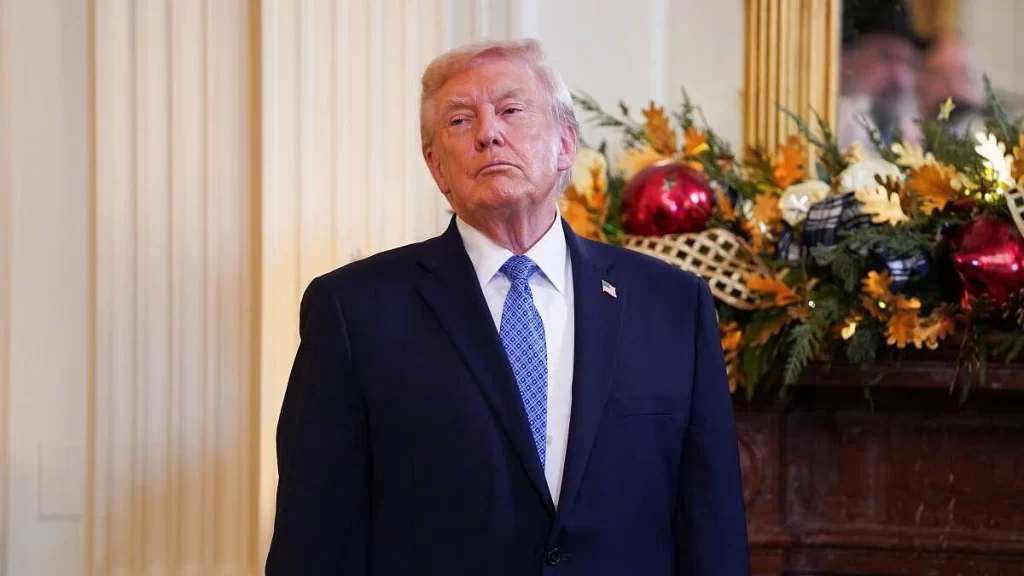
In a sweeping move that marks one of the most significant expansions of U.S. travel policy in decades, President Donald J. Trump signed a presidential proclamation on December 16, 2025, that widens the scope of the United States travel ban to include 20 additional countries and individuals traveling on Palestinian Authority (PA) travel documents. The expansion raises the total number of impacted nations to 39, with the restrictive measures set to take effect January 1, 2026.
Proclamation Intensifies Entry Restrictions Amid Security Concerns
The proclamation is designed to strengthen national security, enhance vetting, and limit the entry of foreign nationals whose countries exhibit “deficiencies in screening, vetting, and information sharing.” It builds on the June 2025 travel ban, which already restricted travel from 19 countries. Under the updated policy:
- Five countries and PA travel document holders face full entry bans, barring both immigrant and nonimmigrant visas.
- Fifteen additional countries are placed under partial restrictions, limiting specific visa categories and access for visitors, students, and temporary workers.
The expanded ban applies to individuals who do not hold valid visas and are outside the United States on the effective date — meaning existing visas will generally not be revoked, though enhanced screening may apply.
Countries Affected by Full and Partial Restrictions
Full travel ban countries now include long-standing and newly added nations such as:
- Burkina Faso
- Mali
- Niger
- South Sudan
- Syria
- Laos
- Sierra Leone
- Plus those traveling on Palestinian Authority passports
These bans halt both immigrant and nonimmigrant visa issuance unless exceptions apply.
A selection of countries under partial restrictions, which suspend most temporary and student visas, includes:
- Angola
- Antigua and Barbuda
- Benin
- Côte d’Ivoire
- Gabon
- Nigeria
- Senegal
- Tanzania
- Zambia
- Zimbabwe
Partial bans affect visas such as B‑1/B‑2 (tourism/business), F (student), M (vocational), and J (exchange visitor) classifications.
Policy Objectives and Government Rationale
The Trump administration frames the policy as a necessary element of U.S. immigration policy reform and national security strategy. Officials cite concerns about inadequate civil documentation systems, high visa overstay rates, and limited cooperation from some governments on information sharing. These elements, they argue, increase uncertainties about who is entering the United States, posing risks to border security and internal safety.
Exemptions and Legal Considerations
Despite its breadth, the expanded travel ban contains specific exemptions:
- U.S. lawful permanent residents (green card holders)
- Holders of valid visas as of January 1, 2026
- Dual nationals traveling with passports from countries not on the list
- Certain diplomatic and special categories (e.g., athletes, official delegations)
These carve-outs aim to mitigate diplomatic disruption and maintain access for essential engagements, though the overall tightening of visa policy has drawn sharp criticism from human rights advocates.
International and Domestic Reactions
The announcement has triggered debate both domestically and abroad. Critics argue the policy unfairly discriminates against citizens based on nationality rather than individual risk profiles, potentially straining diplomatic relations — particularly with African and Middle Eastern nations disproportionately affected by the expanded ban. Supporters maintain the move is a practical assertion of sovereignty and national security priorities.
Looking Ahead
As the travel restrictions take effect at the start of 2026, governments, immigration law experts, and international communities are preparing for operational and legal ramifications. How the expanded travel ban will influence U.S. diplomatic ties, global travel flows, and ongoing debates over immigration reform remains a key question heading into the new year.