
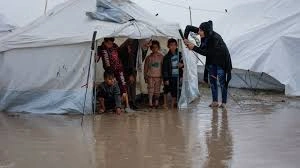
Severe flooding spurred by Storm Byron has unleashed a new wave of tragedy in the war‑scarred Gaza Strip, killing at least 14 displaced Palestinians within 24 hours and worsening an already acute humanitarian crisis. Torrential rains and gale‑force winds have inundated camps of makeshift tents, caused war‑damaged structures to collapse, and exposed hundreds of thousands of vulnerable civilians to deadly cold and unsanitary conditions.
Civil defence teams have reported a staggering number of emergency rescue calls, while local health officials confirm multiple deaths, including children who succumbed to hypothermia after tents and shelters were submerged by floodwaters.
Storm Impact and Rising Toll
Storm Byron — a powerful winter system that swept across the eastern Mediterranean before making landfall in Gaza — brought exceptional rainfall and strong winds to a region already devastated by more than two years of conflict. According to emergency responders, hundreds of tents and flimsy shelters hosting displaced families were quickly overwhelmed by flooding and high winds.
The Palestinian Ministry of Interior and National Security reported that the storm triggered the collapse of weakened structures, particularly in areas with pre‑existing damage from shelling and bombardments. At least a dozen homes and buildings gave way under the strain of saturated soil and gusting winds, trapping residents and prompting intensive search efforts.
Humanitarian Needs Surge as Aid Access Remains Blocked
While the storms inflicted immediate harm, they also exposed deeper systemic failures in relief operations. Humanitarian agencies warn that access restrictions at border crossings have severely limited the flow of crucial winter supplies, including waterproof tents, insulation materials, sandbags, and water pumps, making it nearly impossible to adequately protect displaced populations.
❗ Key Humanitarian Impact Figures
- Nearly 795,000 displaced Palestinians at high risk of flooding due to lack of safe shelter and poor drainage infrastructure.
- More than 27,000 tents damaged, flooded, or destroyed as torrential rain continued.
- Over 4,300 distress calls received by Civil Defence teams in a short period as the storm battered the enclave.
Aid organizations emphasize that the existing stock of shelter items — including one million pieces of basic equipment sent since October — remains insufficient to offset the effects of heavy rainfall on low‑lying tent sites.
Lives on the Line: Children and Families Suffer
Heart‑wrenching accounts continue to emerge from tented encampments. In Khan Younis and Gaza City, families report flooding inside tents, soaking clothes and bedding, while hypothermia has claimed several young children’s lives. Emergency responders have prioritized the relocation of the most vulnerable, including pregnant women, children, and elderly residents.
Outlook and International Response
The situation remains precarious, with forecasts predicting continued rainfall and the possibility of flash floods in the coming days. Aid agencies are calling for immediate lifting of aid restrictions, faster delivery of winterized shelter supplies, and international support to prevent further loss of life.
As Gaza grapples with the dual challenges of conflict recovery and severe weather, the storm underscores the urgent need for humanitarian reforms, enhanced infrastructure, and long-term strategies to protect displaced populations from climate-related disasters.

