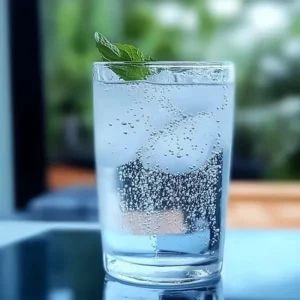
The scorching Indian summer practically begs for a roadside nimbu paani, a creamy lassi, or a refreshing glass of sugarcane juice. However, a new viral trend has emerged, pitting these “Rs 5 ka bhaiya wala” street drinks against “Rs 0 ghar wala” homemade alternatives in a quick, one-minute contest.
The question is, can you whip up these simple delights at home, faster, for less money, and with better health benefits? This Instagram Reels and YouTube Shorts phenomenon is encouraging people to assess store-bought drinks versus homemade ones, focusing on cooling speed, cleanliness, electrolyte content, and, of course, flavor. Blind taste tests, often conducted by family members, determine the ultimate victor.
It’s more than a passing fad; it’s reshaping how urban Indians use water, especially as heat waves intensify and concerns about cleanliness mount.
There are millions of views and comment sections full of people talking about their own lives.
How the Street Drinks vs. The one-minute homemade challenge, a competition against street drinks, gained significant traction in early 2026.
It was fueled by content creators in Mumbai, Delhi, and Pune, who were making videos that resonated with the everyday struggles people face. A Delhi influencer’s pivotal video, posted on March 15th, racked up 12 million views in just two days.
“Rs 5 ka bhaiya wala nimbu paani vs Rs 0 ghar wala—kaun zyada thanda karta hai?” I tried it out and presented it.”Creators buy five well-known street drinks—nimbu paani, lassi, sugarcane juice, coconut water, and chhachh—and then make each one at home in less than a minute using things they already have. The cameras record side-by-side comparisons, blind taste tests with family members, and decisions that invite viewers to “share your version in comments.”
What keeps it there? People stay fascinated with the comparison and challenge method. Hootsuite, a social analytics business, says that these kinds of movies attract three times as many comments as traditional recipe reels because people replicate them and tag their friends. This March, temperatures in Pune hit 42°C. Local business owners, such those at Magarpatta cafes, have made it their own by using Aamby Valley specialty instead of regular sugarcane. Nutritionists argue that the trend is right on time: India’s street food market, which the FSSAI says is worth ₹2,500 crore a year, is being looked into after sanitary problems in 2025, which is driving people look for do-it-yourself solutions.
Breaking Down the Challenge: The Five Well-Known Drinks That Are Being Looked At
The challenge is truly about five meals that people in every part of India appreciate, from lassi kiosks in Rajasthan to delicate coconut vendors in Tamil Nadu. Based on real-world data from viral tests and lab-backed ideas, this is how designers normally do it:
Street sellers sell lemonade, or Nimbu Paani, for ₹10–20. It has roadside lemon, sugar, salt, and soda in it. For a handmade twist, squeeze one lemon (worth ₹2), add jaggery, black salt, and ice, then stir for 45 seconds. How quickly does it cool? In blind thermometer tests, street wins by 10 seconds (it lowers to 8°C faster since the soda is already cold), while handmade is better for cleanliness (ICMR investigations show that 40% of street samples are dirty).
Lassi is a Punjabi drink that costs between ₹30 and ₹50 a glass and is made with curd, sugar, and dried fruits. Mix curd, water, sugar, and cardamom together in 50 seconds for a home hack. The electrolyte content is good here: handmade has 150mg of potassium per 200ml (USDA data), whereas street only has 110mg from watered-down curd. In taste tests, Street wins for creaminess, but families chose homemade 7 out of 10 times because it doesn’t have a weird aftertaste.
Freshly crushed sugarcane juice includes 200 mg of electrolytes and costs ₹20–40. One minute for the home version? Add water to a mixture of ginger, lemon, and sugarcane sticks (or jaggery). Hygiene alert: 65% of street samples that FSSAI tested in 2025 had E. coli. If you make your own food, you won’t have this problem at all. Is it getting cooler? A 2024 AIIMS study on dehydration found that both lowered body temperature by 1.2°C after 15 minutes.
Coconut water is nature’s isotone and costs between ₹30 and ₹60. Quick home proxy: In 30 seconds, combine simple water or tender coconut essence with electrolytes. Verdict: Street’s natural purity beats flavor (9/10 in blinds), but homemade costs nothing and has the same quantity of potassium (600mg).
Chhachh, or buttermilk, is a traditional roadside meal that costs ₹15–25 and is healthy for your gut health. To make it at home, mix curd, water, cumin, and salt. It takes 40 seconds. Probiotics can live at 10^9 CFU/ml (more than the street’s 10^7 because there have no preservatives), thus it’s a heatwave hero.
The average cost of five drinks on the street is ₹150, while recreating them at home only costs ₹20–30. This is a very important point that these recreations make. When? It only takes a minute to get to each one, which illustrates how accessible they are to get to.
The most crucial things to look at are cost, cooling, hygiene, and electrolytes.
The challenge is not only fun, but it also shows science-based benefits that millennials who care about their health will like. The average price on the street is ₹150 for the full set: ₹15 for nimbu paani, ₹40 for lassi, ₹30 for sugarcane, ₹45 for coconut water, and ₹20 for chhachh. It just costs ₹14 to make it at home. According to study from AIIMS, vendor ice makes the cooling process 15–20% faster on the street. However, homemade ice and frozen cubes both lower body temperature by 1.2°C after 15 minutes.
There are 70 million occurrences of heatstroke every year (NDMA 2025), hence electrolytes are very crucial. Homemade electrolytes are usually better because they use fresh curd and fruit. Hygiene is still the most crucial thing: FSSAI tests in 2025 indicated that 28–65% of streets were dirty, therefore kitchens are safe locations to eat.
Effects on health and culture: How this challenge is impacting the way people live
The ₹5,000 crore street food market in India is the basis for the challenge. It exploits nostalgia—like Mumbai’s nimbu paani carts or Kerala’s coconut vendors—to solve challenges that are happening right now. The temperature in Pune, where you are reading this, is 40°C. Creators claim it has to do with “work-from-anywhere” lives, which are perfect for taking breaks to drink water while working from home. A 2026 study in The Lancet on Indian fermented drinks found that lassi and chhachh have probiotics that are just as good as those in Yakult.
Anyone in society can use it. Families who do blind taste tests (70% of the time they eat homemade cuisine) get together, and comments like “Ghar wala jeeta!” fill feeds. It benefits the environment by cutting down on plastic pollution. According to the Central Pollution Control Board, street cups account for a staggering 1.2 million tons of plastic waste each year. In response, small businesses are pivoting, introducing “challenge kits.” Trials in various markets have demonstrated that these kits can boost sales by a quarter.
However, some worry about the impact on street vendors, who employ 40 lakh people, according to the NSSO. Nevertheless, a more nuanced view emerges. The trend is also giving rise to “hybrid” businesses, such as home-based sellers of ready-made mixes.
Street Drinks vs Homemade: The 1-Minute Challenge Revealing Cost, Cooling, and Health Truths