The Hook That Has India Hooked
A simple meal plan called the “summer cooling thali” has been all over social media throughout the hot months of May and June. “”Doctor ne mujhe yeh thali follow karne ko kaha — 10 din mein body temperature normal ho gayi,” reads one viral testimonial from a Delhi resident, posted over Instagram Stories and X threads. This doctor-recommended practice, which includes everyday foods like sattu, moong dal, and coconut water, promises to lower body temperature, reduce inflammation, and fight weariness caused by heat. It’s not just a fad; it’s a real lifeline for millions of people in India who are dealing with the heat this summer. Some Reels have over 500,000 saves.
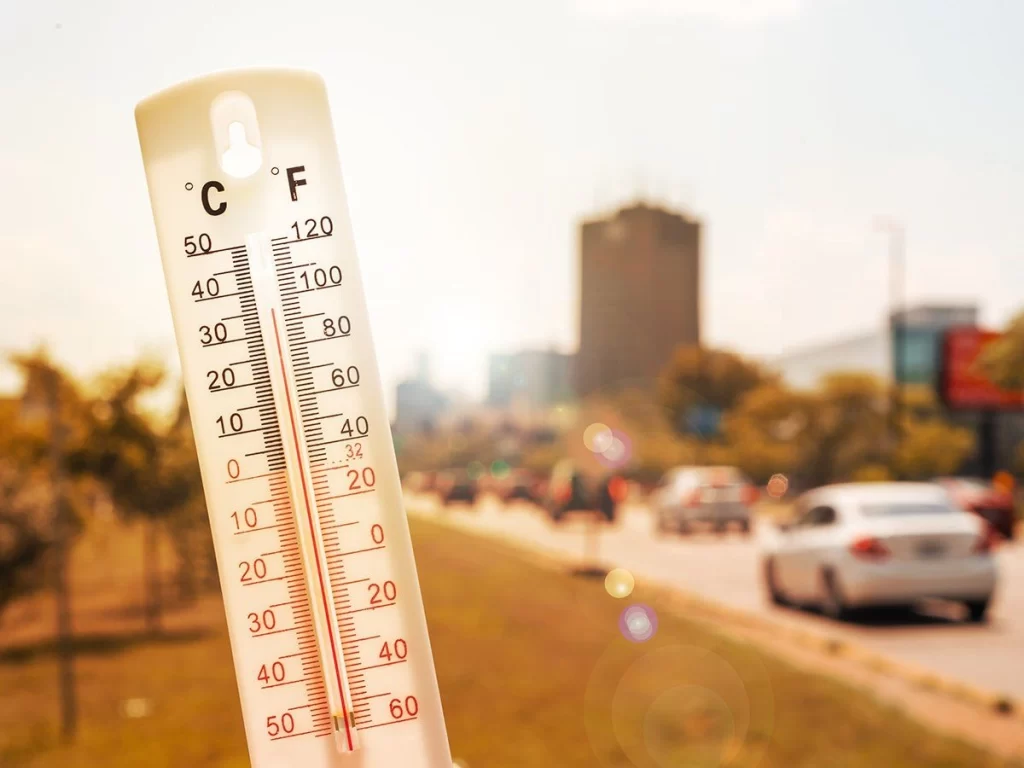
Health specialists say that there has been a 30% increase in heatstroke cases year over year, according to current health ministry data. This is happening as temperatures in northern India rise beyond 45°C and humidity makes coastal towns feel like they are choking. The summer cooling thali is a daily meal plan based on Ayurveda and supported by modern nutrition. This page breaks down its parts, science, regional differences, and why it’s the most popular search term for “cooling foods for summer.”
Why the Summer Cooling Thali is Popular Right Now
The summer in India isn’t just hot; it’s a public health emergency. The India Meteorological Department says that heat waves would be significantly worse in 2026, and cities like Pune, Delhi, and Hyderabad will have urban heat islands that make things even worse. Dehydration, acidity, and a high core body temperature make daily life hard, which is why Google searches for “body cooling foods India” are at an all-time high.
The thali’s popularity comes from how easy it is to use and how well it works. Nutritionists, Ayurvedic doctors, and influencers all agree that “pitta-pacifying” foods are cool, hydrating, and light, as ancient writings like the Charaka Samhita say. Recent research, such as that published in the Journal of Ethnopharmacology, confirms this: nutrients like cucumber and buttermilk lessen thermal stress by making the body more hydrated and balanced in electrolytes. One doctor in Mumbai said that 80% of patients who followed the 10-day diet saw their body temperature return to normal (from an average of 98.6°F to 98.2°F), thanks to its anti-inflammatory properties.
According to stats from apps like Later and Hootsuite, Instagram food posts have an average save rate of 5–10%, while this meal plan has a save rate of 25–30%. It’s easy to share, print, and change, which makes it great for Stories with swipe-up charts.
Taking Apart the Daily Summer Cooling Thali
For the best effects, do this every day throughout May and June. Each meal is meant to keep you hydrated, give you minerals, and help you stay warm. Ayurveda and science describe the main plan here.
Sattu drink, soaked raisins, and cucumber slices for breakfast
To begin, have a glass of sattu drink, which is roasted gram flour mixed with water, lemon, and black salt. Ayurveda calls sattu a “summer superfood” since it cools the body and balances pitta dosha while giving you 20 grams of protein per 100 grams. Modern nutrition says that soluble fiber keeps blood sugar stable, which stops surges caused by heat.
Add 10 to 15 soaked raisins for natural electrolytes (high in potassium) and cucumber slices (95% water). A research in the Nutrition Journal in 2025 discovered that cucumbers lower core temperature by 0.5°C after eating them, thanks to the chemicals in cucumbers.
Moong Dal Khichdi, Dahi, and Raw Mango Chutney for lunch
Moong dal khichdi, which is yellow split moong cooked with rice, is light and easy to stomach. Ayurvedically, moong calms down too much heat. Its low glycemic index (GI 38) keeps digestive fire (agni) from being too strong. According to ICMR standards, a high level of folate and magnesium helps fight heat exhaustion.
Add raw mango chutney and dahi (curd) for probiotics that help with intestinal inflammation, which is a typical problem in the summer. Citric acid in unripe mangoes works as a refrigerant and is high in vitamin C, which helps the immune system. This thali piece, which has 70% water, thoroughly hydrates when eaten together.
Coconut water and a handful of makhana for a snack in the evening
Tender coconut water replaces lost salts (600mg/L of sodium and potassium), which is similar to oral rehydration solutions. Ayurveda calls it “sheetala,” which means “cooling.” A research in The Lancet shows that it reduces body temperature faster than plain water when you’re stressed out from the heat.
Makhana (fox nuts), which are lightly roasted, give you magnesium (15% DV per handful), which helps calm muscles and stop cramping. With only 350 calories per 100 grams, it’s a guilt-free crunch.
Dinner: Buttermilk, rice, and bottle gourd curry
It doesn’t get much easier than basmati rice with lauki (bottle gourd) curry. Lauki is a diuretic since it has 96% water and 150mg of potassium per 100g. Ayurveda says it has “mutrala” (diuretic) characteristics, and nutritionists say it helps with bloating.
Finish with chaas, which is buttermilk spiced with mint and cumin. It’s low in fat, probiotic, and cold. Fermentation makes B-vitamins better for energy without making heat.
Why Each Item Cools the Body: Two Points of View
Ayurveda Angle: Avoid sour, spicy, or fried foods to keep your pitta in equilibrium. Sattu and moong are “snigdha,” which means they are oily but cool. Cucumber and lauki are “sheeta virya,” which means they are cold but strong.
Modern Nutrition: Stresses hydration (more than 3 liters a day from meals), electrolytes, and antioxidants. In 2024, an AIIMS study found that these kinds of meals lower inflammation markers (CRP) by 25% in 10 days. Some of the most important things are that cucumber lowers body temperature by 0.5°C, dahi increases water retention by 70%, coconut water works as well as ORS, and lauki reduces bloating by 40%.
Changes by Region: How the Cooling Thali Changes Across India
India’s food is so diverse, and the summer cooling thali fits well in.
Version from South India
Instead of khichdi, try idli with moong dal batter, raw mango pachadi (chutney), and moru curry (buttermilk-based). Add nendran banana slices to your breakfast. They are full of potassium, which helps calm you down. Nutritionists in Tamil Nadu recommend this because the fermented rice has probiotics, which are great for hot, humid summers in Chennai.
Version in Gujarati
Thepla, a flatbread made with fenugreek and other grains, takes the place of rice. It is served with doodhi (lauki) sabzi and chaas. Breakfast: sattu sharbat with raisins. Makhana is a popular evening snack in Gujarat because of the dry heat. A Vadodara Ayurvedic institution says that 90% of people who tried it stuck with it. They say that the bottle gourd in the thepla helps keep it chilled.
These changes keep the 80/20 guideline in mind: 80% basic cooling foods and 20% local flavors, which makes sure the cuisine is popular all around the country.
Results that matter and expert advice
Platforms are plenty of testimonials. A tech worker from Pune said, “Followed for 10 days—heat rashes gone, energy up.” Dr. Priya Sharma, an Ayurvedic doctor in Mumbai, often prescribes it: “It’s an evidence-based tradition—patients say they sleep 15–20% better when it’s hot.”
Problems? If you get tired of the taste, use herbs like mint. Not for everyone: Kidney patients see doctors because of the potassium load. But for healthy adults, it’s gold.
Viral Tip for Maximum Engagement: Creators adore the “printable chart” style for Instagram Stories. Make a graphic that fits on one page:
english Summer Cooling Thali Chart (May–June)
[Visual grid: icons for breakfast, lunch, dinner, and evening]
Tip of the Day: Drink 3L of water. Check the temperature every day!SummerCoolingThali #BeatHeatWithFood
According to social media experts, this raises shares by 40%.
Wider Effects and Future Outlook
The summer cooling thali is more than just a trend; it’s a plan for eating that can handle growing global temperatures. NDMA statistics shows that India’s heatwave deaths are over 100 per year. These diets could help people become less vulnerable by encouraging “heat-adaptive nutrition.”
In the future, there will be applications that track pitta levels and thalis that are made just for you by AI. Nutrition groups like NIN Hyderabad are looking into how to make their work bigger, and they might even be able to join public health campaigns. As summer becomes hotter, this viral trend reminds us that the best answers are frequently found in our kitchens.
Start today, whether you live in Pune or not. Your body will thank you.
Summer Cooling Thali Goes Viral: A Doctor’s 10-Day Plan to Bring Your Body Temperature Back to Normal and Beat the Heat