
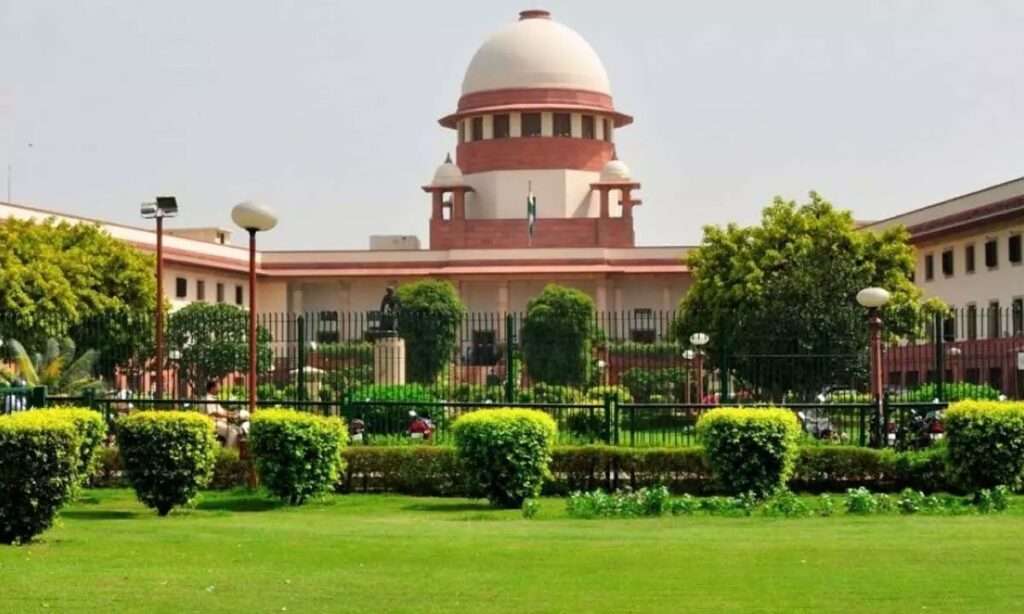
On 27 October 2025, the Supreme Court of India sharply reprimanded the Delhi Police for failing to file a timely response to bail applications filed by activists accused in the “larger conspiracy” case linked to the February 2020 North East Delhi riots. The delay has drawn intense scrutiny of the investigative process in high-profile communal violence cases and raises questions about procedural fairness and the right to speedy justice.
In the hearing, the bench comprising Justices Aravind Kumar and N. V. Anjaria declined a request from the Delhi Police for an extension of two weeks to file its counter-affidavit in response to bail petitions of activists including Umar Khalid, Sharjeel Imam, Gulfisha Fatima, and Meeran Haider. The court observed that in bail matters, prolonged delays cannot be tolerated and emphasised that five years have already passed since the accused were arrested.
The activists are charged under the Unlawful Activities (Prevention) Act (UAPA) and other related provisions in the case filed by the Delhi Police Special Cell, alleging they were part of a broader plot behind the 2020 North East Delhi riots. The riots resulted in significant loss of life, property damage, and a major law-and-order challenge to the national capital.
Legal analysts say the Supreme Court’s admonition signals a broader concern about systemic delays in filing responses, especially in cases involving long incarceration without trial. By refusing the extension, the bench underscored the principle that jail time and bail hearings cannot be indefinitely deferred in the name of investigation. The Delhi Police had argued that complex investigations justify more time, but the court countered that the special weight of bail petitions demands prompt disposition.
This development follows earlier judicial criticism of the Delhi Police and prosecution over mishandling of riot-related investigations. A Delhi court recently flagged serious flaws in chargesheets that lumped together disparate mobs without identifying individual acts or locations and referred the matter to the Delhi Police Commissioner for remedial measures. Critics assert that such delays and investigatory lapses erode public confidence in the justice process and raise fears of denial of liberty for the accused.
The Supreme Court’s stern rebuke of the Delhi Police in this bail-plea saga shines a spotlight on the balance between thorough investigation and the constitutional right to timely justice. With the next hearing already scheduled, all eyes are on whether the investigative agency will expedite its response and whether the court will move toward granting bail in light of prolonged incarceration. The outcome will likely set a benchmark for how the judiciary treats institutional delay in high-stakes conspiracy cases and may influence broader reform in prosecutorial and police response protocols.

