
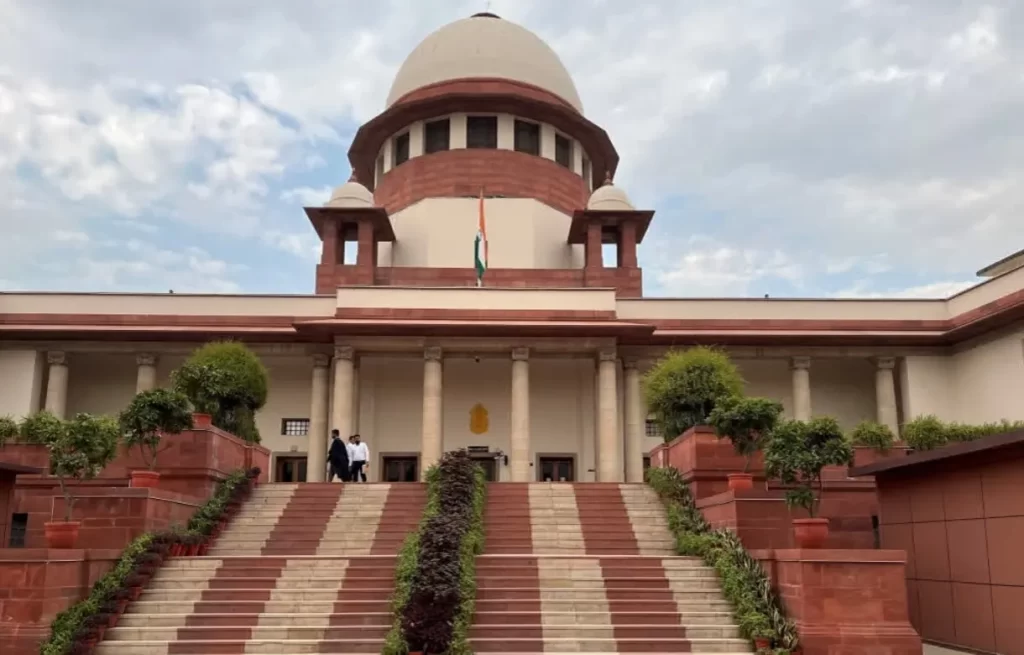
The Supreme Court of India is set to hear a series of petitions challenging the implementation timeline of the Women’s Reservation Act, which guarantees 33 percent reservation for women in the Lok Sabha and state legislative assemblies. The petitions, filed by social activists and political groups, demand that the provision be enforced ahead of the 2029 general elections, arguing that any further delay undermines the purpose of the legislation.
The Women’s Reservation Act, passed by Parliament in September 2023, marked a landmark step toward greater gender equality in political representation. However, the Act linked its implementation to the completion of delimitation and census exercises, both of which are expected to take several years. This has effectively deferred the enforcement of the reservation to at least 2029, drawing criticism from advocates who contend that immediate action is necessary to ensure women’s meaningful participation in governance.
Petitioners have argued that the constitutional mandate for equality cannot be postponed on procedural grounds. Senior advocates representing the petitioners are expected to highlight that women continue to remain underrepresented in legislative bodies, despite their growing participation in electoral politics. Currently, women account for less than 15 percent of members in the Lok Sabha and an even smaller proportion in most state assemblies. According to the petitions, delaying the implementation of the Act denies half the population their rightful share of political representation.
On the other hand, the Union government has maintained that the law was carefully drafted with due consideration for constitutional and logistical factors. Officials have argued that the delimitation exercise is essential to redraw constituency boundaries in line with demographic shifts, and that implementing the quota without it could create legal complications. Government representatives are expected to defend the timeline before the court, emphasizing the need to balance political reforms with procedural clarity.
Legal experts suggest that the Supreme Court’s decision will carry far-reaching implications for the future of gender representation in Indian politics. If the court directs immediate enforcement, it could compel the Election Commission and the government to take unprecedented steps to implement the quota before 2029. Conversely, if the petitions are dismissed, the current timeline would remain intact, and women would have to wait several more years before benefitting from the reform.
Political reactions to the case have also been sharp. Several opposition parties have accused the government of deliberately delaying the Act’s implementation to deny women an immediate opportunity in upcoming elections. Meanwhile, women’s rights organizations have intensified their campaigns, staging demonstrations and pressing for swift judicial intervention.
The petitions are scheduled for hearing later this week, and the outcome is being closely watched by political observers, civil society groups, and millions of women across the country. With gender equality in governance at the heart of the debate, the court’s verdict could mark a turning point in India’s democratic journey.

