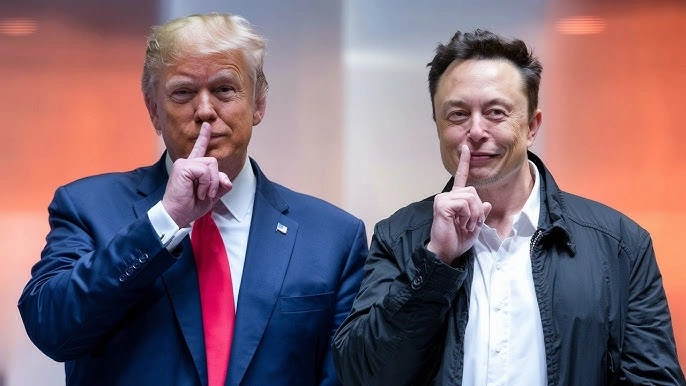
Billionaires have more money than whole countries do right now. The reason for this is that wealth is more concentrated than ever. When people talk about the difference between affluent and poor, they commonly use the phrases “billionaire tax loopholes” and “hidden offshore accounts.” This article lists eleven lesser-known ways that the world’s richest people protect and grow their empires. These tactics are based on patterns that happen again and again in banking, lobbying, and creative. These “billionaire wealth strategies” help explain why there is still inequality, even though people are upset about it.
Tax havens and fake businesses in other nations
A lot of billionaires move their money to places outside the US so they don’t have to pay taxes. The Panama Papers and Paradise Papers investigations found groups of shell corporations that are impossible to tell who controls them. These businesses didn’t had to pay taxes on billions of dollars they made. People can avoid paying taxes legally but in a sneaky way with these “tax haven secrets.” Some estimates say that there are trillions of cash hidden all around the world. One of the most important things that came out is that secret trusts are related to more than 200 millionaires. In areas like the Cayman Islands, shell companies can escape paying capital gains taxes for good. There are still problems with jurisdiction that slow things down, but more people are paying attention to it.
Getting a loan with your stuff Instead of selling
Billionaires don’t sell equities to avoid paying taxes on profits. They borrow money against their stocks instead, at cheap interest rates. They can live comfortably without paying taxes with this “buy borrow die” plan, and they can pass on their money to their kids with a larger base that wipes out any gains they made before. For example, Elon Musk and Jeff Bezos do this. They have borrowed money against Tesla or Amazon stock to pay for their daily requirements. People who know how to save money say that this method speeds up compounding without the IRS getting involved. People who are very wealthy can get loans from banks with interest rates that range from 0% to 2%.
Giving to charity so you don’t have to pay taxes
You can save a lot of money on taxes by giving to private foundations and still use the money. For example, the Bill & Melinda Gates Foundation owns billions of dollars’ worth of Microsoft stock. Gates could probably keep it without having to sell it. People call this “philanthropy washing,” and they say that “billionaire charitable secrets” can cut taxable income by up to 74 cents for every dollar given. Foundations just have to give away 5% of their assets each year. Family members are paid to carry on their power from one generation to the next. This plan doesn’t go straight to contributors’ goals, which are more essential than short-term gains.
Pushing for Good Laws
Billionaires give politicians and think tanks money to reform the tax code. The Tax Cuts and Jobs Act of 2017 decreased the tax rates for businesses. This was fantastic news for those like Warren Buffett who own businesses. “Billionaire lobbying power” maintains loopholes open for carried interest and makes sure that investment income is taxed at lower rates than salaries. The Koch brothers and other rich people gave roughly $900 million to politics between 1998 and 2018. These are the kinds of things that make “wealth protection policies” a part of the law.
Dynasty trusts for money that will live forever
Irrevocable dynasty trusts protect assets from estate taxes for a long time. These “perpetual wealth vehicles” last for hundreds of years in Delaware and South Dakota, and they don’t have to pay the 40% federal estate tax. Billionaires move their money up in value early so that their heirs don’t have to pay taxes on it. Assets grow outside of estates that have to pay taxes. Gifts that are passed down from one generation to the next don’t have to pay taxes. Recent estimates say that there are over 100 millionaires in the U.S. who live in buildings like these.
Hedge funds and private equity are not subject to these rules.
You might be able to acquire “performance fee exemptions” if you invest through private funds. Ray Dalio and other managers want the 2-and-20 fees to be taxed like capital gains. Limited partners who are billionaires get the same benefits and do better than public markets that are hard to see. In 2025, billionaires contributed hedge funds $4 trillion in assets.
Putting money into genetics and living a long time
Billionaires pay for research to find out how to avoid getting aging so they can make more money. Peter Thiel is in favor of parabiosis experiments, and Bryan Johnson spends $2 million a year on surgery for kids. Companies like Calico and Altos Labs are working on “billionaire immortality quests” to make the finest years of making money endure longer. Rich people pay for businesses that own CRISPR patents. Private clinics offer treatments that haven’t been licensed yet. Patents provide IP the power to choose which new ideas to employ.
Space and frontier tech monopolies: The government awards contracts to SpaceX and Blue Origin, which run the orbits. NASA has given out more than $15 billion in grants since 2006 as part of the “billionaire space race secrets.” Starlink and other satellite groupings are ahead of the rest. Companies that are the first to use reusable rockets will save money. People utilize private treaties to acquire authorization to mine the moon. Power in geopolitics boosts earnings.
What Experts Think
Gabriel Zucman, an economist, says that 8% of the world’s wealth is kept in accounts that are not in the country. Every year, the government has to pay $200 billion in taxes for this. Sam Polk, who used to work for a hedge fund, thinks that zero-sum finance is bad for morals. At recent G20 summits, many have backed ideas like global minimum taxes.