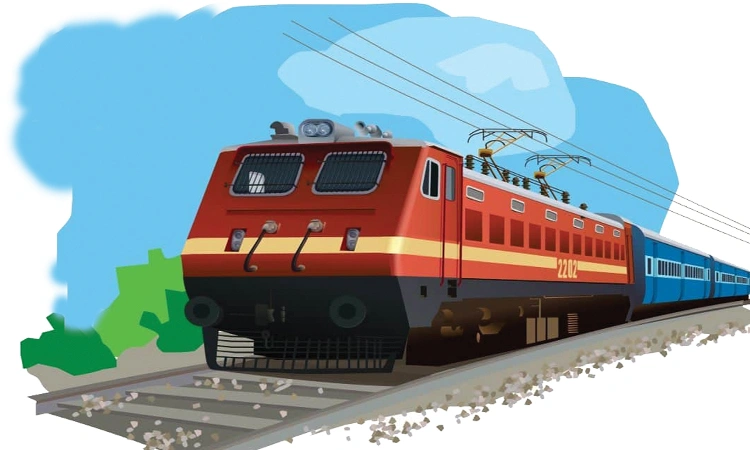
India’s enormous railway infrastructure is used by more than 1.4 billion people to get around. It links people in all kinds of places. It shows how strong the economy is and how well the people get along. It has more than 68,000 kilometers of tracks and connects all of India’s different cultures. It also helps the world’s largest democracy achieve huge progress. This magnificent feat of engineering connects places that are far apart and helps cities flourish in a way that is beneficial for the environment.
The Story of How People Get Along
The first passenger train ran from Mumbai to Thane in 1853. This was the start of the Indian railway system. For the first time, people throughout Asia could now take the train on a set schedule. The British built it to extract resources, but once India became independent in 1947, leaders like Jawaharlal Nehru termed it the “sunshine of modern India” and used it to bring the country together. The Indian Railways has the fourth largest network of railroads in the world. It moves 23 million passengers and 1.2 billion tons of goods every day.
Things that happen that are crucial teach us how vital it is for us to be together. The Zonal Reorganization of 1951 split shattered colonial borders into six areas. This made it easier for the government to work together. People didn’t use as much oil in the 1980s because they wanted more power. This was in line with the ideal of being able to take care of oneself. New Dedicated Freight Corridors have made it easier for goods to move, which has benefited trade between states. This shift from a colonial artery to a national lifeline shows how essential India’s railroads have been in keeping an area that is prone to regional differences together.
Aspects of Architecture and Operations
The Indian railway system is a fantastic example of technical resilience because it functions effectively in many different places, like the parched deserts, coastal plains, and foothills of the Himalayas. There are 13,000 passenger trains and 7,300 stops. For example, the Vande Bharat Express connects big cities at a speed of 180 km/h. The double-stack freight trains on the Eastern and Western DFCs of the network can carry 32% more goods. This makes the highways less busy and cuts freight expenses by 20% to 30%.
Operational data tells you how well it functions in the real world. The system moves 8 billion people every year, which is 10% of all train passengers in the globe. It moves 55% of India’s organized freight, which includes iron ore, coal (which accounts up 45% of the total), and cereal grains, which are particularly vital for food security. It directly employs 1.2 million people and helps millions more in neighboring areas like tourism and manufacturing. These data show that the Indian Railways is the key reason why the country is doing so well. It makes sure that semiconductor and steel industries always get their supplies on time, which helps their businesses run smoothly. Since 2014, innovative technology including AI-driven predictive maintenance and Kavach anti-collision systems have lowered the number of accidents by 60%. These parts make sure that everything is working.
Even though the country is separated, it is coming together.
The Constitution specifies that India’s railways should not be limited by religion, caste, or where they are located. Many pilgrims go to Varanasi, and migrant laborers move from Bihar to factories in Gujarat. During festivals, families get back together in sleeper class coaches. The network’s capacity to connect faraway locales, including the Pir Panjal tunnel that goes via the Kashmir Rail Link, has helped these areas grow and stop fighting.
It gets people from diverse cultures to work together. More than 5,000 events bring millions of people together during Diwali and Eid, which keeps the traditions of migration alive. When people see India’s natural beauty on the Konkan Railway and other lines, they feel proud of their nation. The backwaters of Kerala and the beaches of Goa are only two examples. It’s easy to go around, and prices are lower in cities and rural areas (₹0.28 per km for general class). Railroads were particularly important during disasters. For instance, they helped with Cyclone Amphan and brought back 63 million people during the 2020 outbreak. They helped and made things normal again. By bringing jobs to the area, this network of connections has helped ease separatist feelings in the Northeast and Jammu & Kashmir.
Making the economy bigger and more modern
India’s economy is about $4 trillion, and its train infrastructure adds 7–8% to the GDP per year. It helps the “Make in India” program by sending raw materials to over 1,500 industrial clusters and final goods to ports. The National Rail Plan for 2021–35 specifies that by 2025, all trains must run on electricity. It will cost 2.5 lakh crore. India wants to cut carbon emissions by 25 million tons a year and have no net emissions. This will help India accomplish that goal.
In many different areas, there are a lot of big effects. In 24 hours, Rajdhani Garib Rath trains take goods that spoil quickly from farmers in Punjab to markets in the south. This reduces waste by 15%. Dedicated Freight Corridors have enabled huge businesses like Tata and JSW move more steel. This makes them more competitive when they sell things to other countries. Partnerships with Amazon and Flipkart send out 10 million packages per day. This is good for the digital economy. Since 2014, the financing has gone up five times. This has made it possible to fix up Amrit Bharat Stations and create more than 7,000 new trains. The ₹1 lakh crore PPP model is a public-private partnership that adds commercial operators to 150 routes. This makes the routes run better. These things put railroads in the core of Atmanirbhar Bharat. By 2030, the volume of freight is predicted to go up by 45%.
Long-Term Success and Growth in Technology Push Innovation is what will set the network apart in the years to come. For instance, the Mumbai-Ahmedabad Shinkansen bullet train project will be finished by 2027 and will go 320 km/h. The project will shorten the time it takes to transit the 508 km corridor in half and add ₹1.5 lakh crore to the economy. It costs ₹1.1 lakh crore and is made possible by the strong relations between Japan and India. The goal is to accomplish all of the work on electrification by the end of the year, but by 2026, 93% of it will be done. Solar systems need 10 GW of power to cut diesel use in half. There are already bio-toilets in all the coaches, and they stop 1.5 lakh gallons of waste per day. In 2028, tests will be done on hydrogen train pilots to see if they can move freight without letting out any gases.
Kavach, India’s own Train Collision Avoidance System, uses GPS and RFID to keep track of trains in real time and stops 80% of accidents that could happen. The UTS app is used by 2 crore people every month to buy tickets online. This cuts down on 90% of the paper that would have been used. These changes will make sure that the railway network will still have the greatest method to grow in the long run, even with climate change.