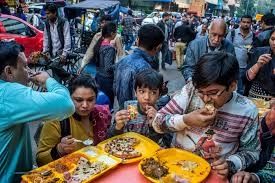
Finding the right balance has always been vital in Indian cooking. There are grains in it that are excellent for you, including rice and millet, lentils for protein, seasonal veggies, and fermented foods that are beneficial for your gut. But now, fast food, sugary drinks, and snacks that have been processed to the extreme are taking their place. People in Maharashtra’s main cities, like Mumbai, Delhi, Bengaluru, and Pimpri-Chinchwad, are putting convenience ahead of nutrition. This change not only destroys the country’s traditional eating culture, but it also puts people’s health at risk, which makes healthcare services work harder and less efficiently. India wants to be a developed country by 2047, thus it needs to modify how people eat.
The Roots of Change: From Thali to Takeout Indian meals were diverse in different parts of the country, but they were all good for you. They got a lot of energy and fiber from bhakri cooked with jowar or bajra and eaten with thecha (spicy chutney) and usal (sprouted lentils). The makki di roti with sarson da saag from Punjab had omega-3s from greens, while the idli-dosa fermented batter from South India maintained the microbiota diverse.
Cities messed this up. More than 35% of people in India already live in cities. By 2030, that percentage is expected to grow to 50%. Life has gotten faster because of this. People who live in Pimpri’s industrial areas and work two jobs buy vada pav from street vendors. These carts are now bigger and have more potatoes and oil. It’s the same in the country. Farmers are eating boxed noodles instead of ragi porridge because of remittances and TV.
Key triggers are:
- When you work long hours, cooking is hard.
- Teenagers are the main focus of intensive marketing for chips and colas that have their own names.
- Government subsidies that make millets less appealing than cheap white rice and wheat.
The rise of fast food and junk food
You can now obtain burgers, pizzas, and fries at thousands of fast-food restaurants. Kids in cities consume soda every day and eat as much sugar as teens do in Western countries. In the past, it was hard to find quick noodles, but now they are everywhere. Their flavor packages are full of MSG and palm oil.
Food delivery apps make things worse by taking in billions of orders per year. People commonly eat cheesy pastas or biryanis soaked in ghee late at night, and algorithms push combo packages that add calories. In Maharashtra, fusion cuisine like vada pav with cheese mix street food with food from all over the world. People who want to be healthy like the way things taste, but they also have health hazards that aren’t visible.
Sales of processed foods are growing faster than sales of fresh fruits and vegetables, by 10% or more. Instead of nuts and fruits, people choose snacks like namkeen and cookies that are heavy in sodium and trans fats. Kids now think chips are “treats,” therefore this change makes bad conduct last longer at first.
Changes in what people eat in different places of the world: Pimpri-Chinchwad is a mix of city and country in Maharashtra. The people who work in the factory’s canteen selected samosas over home-cooked usal, and the IT centers in adjacent Hinjewadi choose foreign brands. The amount of vada pav is now twice as big, which means that each meal has hundreds of extra calories.
In Punjab, butter chicken gets creamier and bigger, which increases saturated fats to the heart. Kerala’s seafood is now fried in old oils, which raises cholesterol levels. Idlis from Tamil Nadu taste better with sweeter chutneys, and dhokla from Gujarat gets sugar from stores.
There are more overweight teens now than there were in 2000. Kids at school trade milk for other drinks, which could give them fatty liver disease while they are young. Women are more affected than males, and tea that stops iron absorption makes metabolic conditions worse. People who work in Pimpri’s manufacturing sector and sit at a desk all day are much worse off because they store more calories as visceral fat.
There will be 150 million diabetics by 2030, which will put a lot of strain on hospitals and the economy.
Problems with the heart and blood pressure
Heart disease is the most common cause of mortality, killing about 2 million people every year. High-sodium meals and trans-fat vanaspati, on the other hand, make arteries inflamed. Regular ghee has turmeric in it that lowers inflammation. One in four individuals has high blood pressure, and it gets worse when pickles are transformed into salty chips.
There used to be coconut oil in South Indian sambar, but now there is too much palm oil. Instead of whole grain rotis, many use parathas from Punjab, which are made with refined maida. These changes make foods that should be safe dangerous.
Nutritional Deficiencies That Last a Long Time
It’s funny that you may be both overfed and underfed at the same time. Women who eat more starchy foods than greens are more likely to get anemia due to a lack of iron. People who live inside and eat less dairy, which is replaced by sweet lassis, have less vitamin D. When flavored drinks take the place of curd, calcium gaps start to appear.
youngsters in some rural areas are still short, but youngsters in cities are getting overweight. People are more likely to get sick after a pandemic if they don’t receive adequate vitamins and minerals.
Health of the gut, mental health, and more
Fermented dosas and yogurt may have helped maintain the gut microbiomes healthy, which may have helped improve mood through the gut-brain axis. Processed foods mess with microorganisms, which might be why 15% of young people in the city are depressed. Instead of sattvic khichdi, you eat mithai when you’re nervous.
Socioeconomic layers make the gaps bigger: people who live in slums eat cheap calories, while people who are richer buy trendy superfoods and ignore local ragi.
Cultural and media influences
Desserts and loaded fries look great on social media. Gen Z is affected by celebrities who promote energy beverages. K-dramas make people want to fast without eating, which makes them gain and lose weight. Festivals make sweets taste even better, and modaks are the sweetest they’ve ever been.
Issues and Policy Responses
FSSAI’s labels show foods that are high in sugar, fat, and salt. Eat Right India encourages eating balanced meals, and POSHAN Abhiyaan strives to abolish hunger. Millet projects, which get a boost from the International Year of 2023, help pay for jowar and bajra. But lobbying and cheap necessities slow down progress.
Schools are slowly providing kids more options for lunch. Like taxes on other goods, taxes on drinks are coming.
What Experts Say
Rujuta Diwekar and other dietitians say that bhakri-thecha from Maharashtra is better for your gut health than quinoa. Dr. Anoop Misra says that carb floods are taking the place of fiber and calls for smaller amounts and more spice science. Public health wants apps that make people eat salads.
Plans to Change
To get your health back:
- Family thalis bring back a natural sense of tranquility.
- In the area, schools teach kids about nutrition.
- Millets are the most popular food in business cafeterias.
- Community kitchens giving tips on how to cook.
- You have the tools you need to prepare meals with AI based on tradition and ultra-processed taxation.
Effect on the economy and society
NCDs cost trillions of dollars a year and make people less productive. Healthcare strains slow down growth. Food processing chains are worse for the environment than small farmers.