
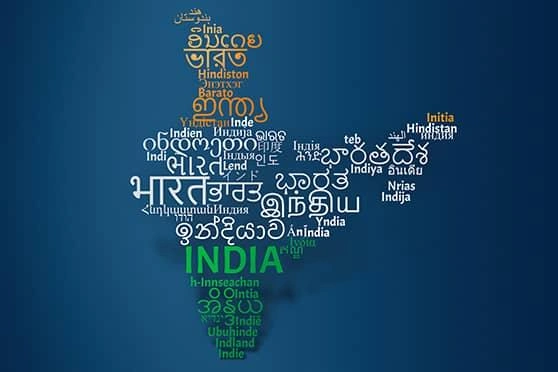
A big part of India’s digital transformation is making it possible for people to obtain information online in their own languages. It has made the internet available to millions of people in cities who don’t know how to speak English. This increase makes reasonable because many Indians speak more than one language. It will get people moving and help the economy grow more than it does now by 2026.
The Rise of Using the Internet in Local Languages
The internet revolution in India sped up as people started to read and watch things in their own languages. There are more than 22 official languages, and more than 1.4 billion people speak them. There are now platforms that only work with Hindi, Tamil, Telugu, Bengali, and other languages. This makes it easier for more individuals to use the Internet. Only a few people could use it in the past. By the beginning of 2026, more than 75% of all web traffic came from sites that weren’t in English. Five years ago, when cell phones were more common and data was cheaper, this number was only 50%.
Changes in social media and fun things to do
Social networking platforms are becoming more and more important to us every day. Hindi channels on YouTube have more than 500 million views a month, which is more than some of the most popular channels in the world. Every day, billions of people watch reels in their own languages. In 2026, Instagram’s algorithm shows postings from places close to you, and Tamil memes and Marathi performances become popular all over India.
One of the most popular entertainment apps is MX Player. Another is Hotstar. These shows make up over 70% of all streaming hours, and they have been dubbed into at least 12 languages. People stay on the site longer—25% longer for original content—and it helps them get better at what they do. In Kerala and Kashmir, influencers generate millions of dollars from sponsorships. This means that the culture of celebrities includes more than one language.
Learning more and getting better at things
The digital revolution has also changed the way individuals learn. India has a problem with literacy, and having information in local languages can help with that. In 2026, 80% of the classes on edtech sites like BYJU’S and Unacademy will be in the language spoken in that area. This will be good for 300 million youngsters. More than 50 million people have downloaded Khan Academy’s Hindi courses, which have made schools in rural areas 35% better.
The government pays for the SWAYAM websites, which offer free degrees in 13 languages. After localization, the number of members went up by 200%. Interactive apps make learning STEM interesting in Telugu and Bengali, and they also help people in cities and the countryside get to know each other. This gets the workers ready for Industry 4.0. Vernacular upskilling initiatives are teaching 100 million youngsters and teens how to utilize AI and code.
Problems in Making Vernacular Digital Access More
Things are getting better, but there are still issues. Hindi contains 40 dialects, thus it’s hard to make it into one language. This means that AI systems make mistakes in translations 20% of the time. Content screening isn’t keeping up with regional scripts, and hate speech is growing up 15% on sites that don’t use English.
The place where new ideas and rules are made
The Indian government knows how crucial it is to sell things in the languages the people in the area speak. The 2026 National Digital Policy specifies that half of all government services must be offered in the languages spoken in the area. MeitY pays Bhashini ₹10,000 crore to help them translate open-source code. Dailyhunt and ShareChat are the first firms that enable people search by voice in 15 different languages. They look for things a billion times a month.
Reverie Language Technologies is one of many new businesses that develop keyboards and fonts for languages that aren’t as prevalent, such Bodo and Tulu. India has the greatest multilingual AI in the world right now, which implies it can export technology to Africa and Southeast Asia.
Numbers That Show the Change
Important facts indicate how big this change is. In 2020, there were 300 million people who spoke regional languages online. By 2026, that number had climbed to 700 million. The number of downloads of apps in local languages went grown by 400%, from 1 billion to 5 billion. The amount of money produced from e-commerce sales with local content had up by 700%, from ₹1 lakh crore to ₹8 lakh crore.
The number of people who read social media messages in languages other than English grew by 150%, from 30% to 75%. There are currently 300 million people who utilize edtech terminology, which is a 500% increase from 50 million. This proof indicates that things can be different in many countries when individuals can read and write in their native language.
Making the world a better place and protecting culture
Vernacular internet spaces help keep languages like Konkani and Santali alive. Podcasts and blogs can help us remember stuff. People are proud of their country because of this cultural renaissance. You may see this in famous Republic Day videos that show customs from all throughout the country.
India is a role model for people all around the world. Bollywood movies that have been dubbed into many languages are the most popular movies on Netflix in every country. Vernacular banking apps have changed the way people transact business in Africa. India’s digital economy is predicted to be worth $1 trillion by 2030, primarily due of content made in India.

