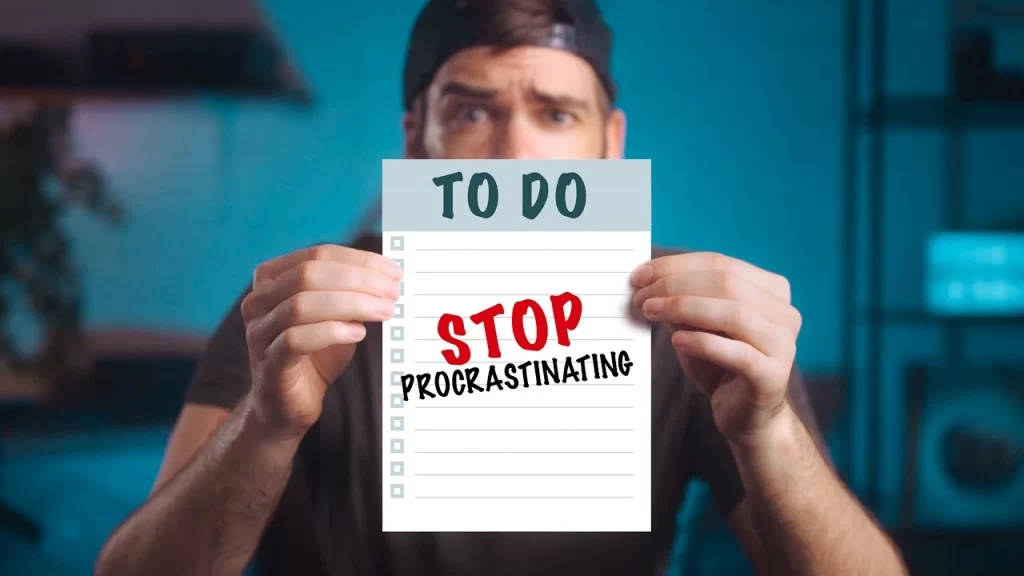
People who put things off miss out on time, chances, and chances to succeed. There are several mental, neurological, and motivational reasons why it’s hard to stop saying “I’ll do it later.” This article goes into detail about the real reasons why putting things off could make it harder for you to succeed. It also gives you research-based advice and strategies to help you get back on track.
Figuring out who is to blame for the mental problems
Fear of failing, being rejected, or not being perfect are some of the main reasons people put things off.To stay safe, people stay away from things that worry them. If you’re terrified of doing a lousy job, you might put off important duties for a long time, which makes things much worse. People who don’t have a lot of self-compassion make the problem worse by worrying more when they blame themselves for being late, which makes it more difficult to get things done.
Having specific personality traits is also very significant. People who are particularly neurotic are more likely to get stressed out, while people who are impulsive are more likely to focus on short-term goals instead of long-term ones. You may not even realise it, but passive procrastination can help you deal with having too much to do. It’s not the same as being lazy.Every time you miss a deadline, you lose faith in yourself. This foundation for thinking evolves throughout time from progress to preservation, which makes it tougher to be successful in both your personal and professional life.
Studies consistently demonstrate that procrastinators experience double the stress of their proactive peers, creating a harmful loop in which guilt intensifies inaction. This results in missed promotions, incomplete degrees, and an ongoing sense of inadequacy that obstructs long-term objectives in high-stakes environments such as the workplace or educational institutions.
When you put things off, your brain shows it by having problems in critical areas.The prefrontal cortex is in charge of higher-level processes like making plans and keeping urges in check. It doesn’t work as well for people who are always late because the limbic system, which is meant for rapid pleasure, takes over. The links between reward centres and attention networks have gotten weaker. This suggests that short-term pleasures, like checking social media, are more significant than hard work that takes a long time to pay dividends.
According to Temporal Motivation Theory, motivation is equal to expectancy times value divided by impulsiveness times delay. If the rewards seem far away or hard to understand, the equation indicates it’s best to do nothing.This is why motivation only goes up when there is a due date.In this case, genetics and the environment operate together. For instance, neurotic people are more easily distracted and less interested in projects that don’t seem like they’ll work out.A new study reveals that social opinions can speed things up. For instance, when people feel stuck in strict hierarchies, they could “passively rebel” by putting off their actions because they think their efforts won’t make a difference against institutional hurdles. This imbalance between the brain and drive makes putting things off not a personality trait but a survival response that went awry in today’s world full of distractions.
Bad Effects on Success
Success is clearly expensive. People who put things off don’t earn as much at work.Studies reveal that those who put things off likely to make less money each year. They miss out on possibilities, hurry their work, and ruin their reputations, which costs them thousands of dollars. Employers think that people who are late a lot are more reliable, which is why this group has a greater unemployment rate.
Businesses lose billions of dollars every year because people don’t do their jobs for more than 25% of the workday. It predicts failure to attain goals in school, even when IQ or starting drive are taken into account.This makes GPAs drop and careers end.
Domain: Short-Term Effects For a Long Time What a Job Does: Late Work and Bad WorkNo growth, jobs that aren’t stable
Projects that were late and lost money Growing differences in wealth
Health: More stress and problems sleepingLinks to long-term mental and physical tirednessPeople are alone now that trust has been destroyed and promises have not been kept.
These effects are getting worse: You can’t develop new skills if you perform a bad job, which keeps the cycle running and makes it much tougher to succeed. People who are entrepreneurs, leaders, or inventors are the ones that suffer the most since they have to come up with new ideas on time, which is tougher when they put things off.Influences from outside Society and the environment make it tougher to take action. Notifications that keep coming in pull your attention away, and unclear goals cause delays that never stop. People who can’t bear being frustrated generally live in settings where they get benefits right instantly, which makes it hard to keep going. It can be hard to get started if you have deeper problems, including anxiety, depression, or not getting enough sleep.
In societies that prize success, the thought of having unlimited free time makes people lazy, while reality is making individuals more and more regretful. People are trained to be active without a plan, which makes them planners instead of doers.This makes things much worse.How to Stop Putting Things Off
To win, you need to think forward. Start by dividing your work into smaller tasks. Five-minute chores help you stay on target and not feel overwhelmed by giving you small victories. The Pomodoro Technique recommends to work for 25 minutes and then take a break. This goes against the brain’s natural tendency to put things off by making them appear important.To get rid of shame, see yourself being successful, be kind to yourself, and set greater goals. Make time for chores and set up areas where you can’t use your phone to help you stay on task. To stay motivated, give yourself a reward for achieving your tasks.
Here are some important strategies:
It’s easy to get started with “When X happens, I will do Y.”
Write down your successes so you can see how far you’ve come and feel better about yourself.Deadline engineering: You feel more pressure when you set yourself fewer deadlines, just like in real life.
Fear audits: Talking about what scares you can help you deal with it.
Accountability partners: having someone else hold you accountable makes you desire to perform better.When you do something over and over, your brain changes how it works, and you learn to avoid it. People who are successful, like athletes and business leaders, swear by them. This shows that the only way to stop putting things off is to make little, steady adjustments.
The best thing about procrastination is how it hides things. It looks like a harmless wait, but it slowly kills dreams. People may be able to view things clearly and make decisions when they exhibit their mental worries, neurological shortcuts, and motivational traps.You can’t only rely on willpower to get things done; you also need facts and a plan. Use the energy you have right now; people who don’t wait for their triumphs will have them tomorrow.