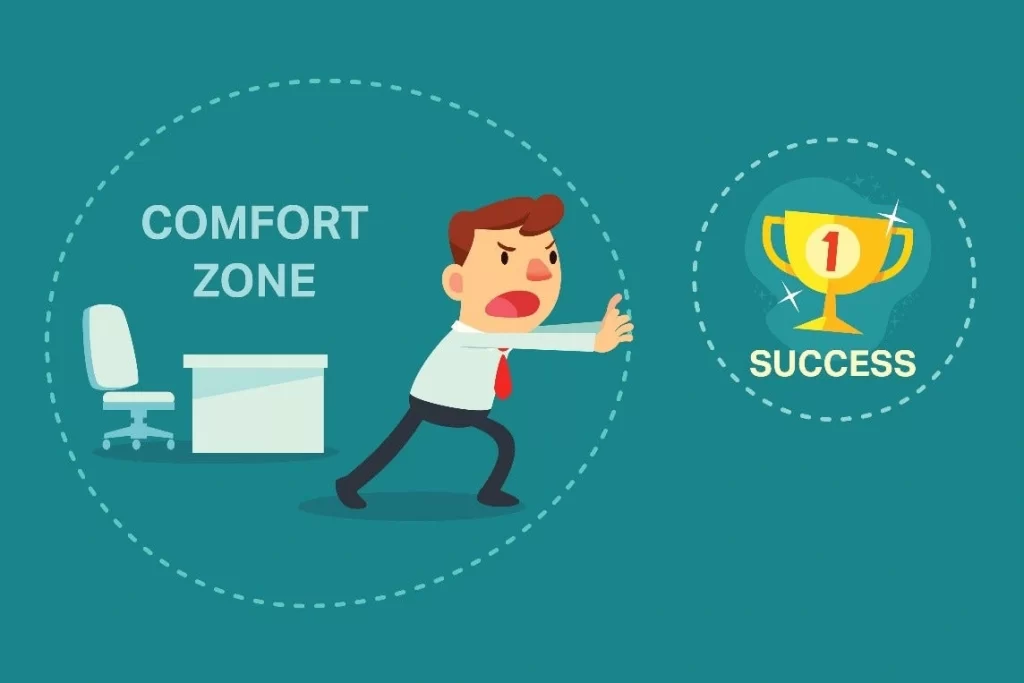
Comfort zones could help you rest for a while, but they can also take away crucial things like discipline, motivation, and closeness in relationships.
Finding out about the Comfort Trap
When people are too comfortable, it’s harder for them to be disciplined because they don’t have to deal with the things that help them stick to their routines and gain self-control. You have to challenge your willpower a lot, or your habits will get weaker and you’ll put things off because you want to do things that feel good right now. This transformation happens over time, turning days that were scheduled into days with no goals and a lot to do.
The brain doesn’t feel like it has a purpose when life is too easy since it doesn’t have to work hard to get things done. People walk around aimlessly when life is always easy since they don’t have anything to want. If you don’t have to do them, even small things might seem like a lot of work over time.
People get lazy when they’re comfortable, and meetings that aren’t crucial happen more often than meetings that are, which makes relationships weaker. Friends and partners stop putting forth the effort to maintain their relationships solid, which makes them seem even more distant. People used to get closer when they had difficulties in common, but now that they don’t, they are more likely to grow apart.
Psychological Basis
It’s hard to stay disciplined since the brain grows used to pleasure, which means that comfort requires more stimulation to be happy. Not too much or too little stress makes neuroplasticity better by changing the pathways that help us stay robust. On the other side, too much ease stops this process and makes our brains stop working.
Motivation is the feeling of being stuck between where you are now and where you want to go. It’s a comfort that doesn’t last long and changes. Self-Determination Theory suggests that the best way to motivate yourself is to be free, achieve well at something, and have friends. When problems go away, all three of these things go away. The inherent advantages diminish, replaced by temporary external motivators.
People need to be honest and open with each other and correct things when they go wrong if they want their relationships to get stronger. But people don’t take these risks because they think they’re safe. People who don’t actively invest in their attachments either ignore them or worry about them, which makes them less interested. Partnerships turn into merely living together, and emotional growth ends.
Things that happen every day
People who stay in jobs that are easy for them to do don’t get promoted very often. But people who are prepared to try new things and take risks do. People are more likely to compete when things are hard at initially. But when things are easy, people become typical and miss out on opportunities.
When habits get too ingrained, fitness objectives cease moving forward and stay the same. Runners and athletes push through fatigue to gain mental strength that can’t be broken, which is something that simple training can’t teach.
You can also see this pattern in long-term marriages, where partners indicate they are less satisfied on normal days. Friendships break up when there are no difficulties to work on together, and the flames die down when individuals stop trying. People who do well, like outstanding sportsmen, say that being uncomfortable helps them do better. But if you win the lottery or make a lot of money, all the work you’ve done so far could be for naught.
Ways to Get Up and Go
To gently get your discipline back, fight the want to be comfortable with modest, particular discomforts like getting up early or going without food for a short time. Keeping track of these achievements builds the brain connections that help you stay on track and turn small wins into huge ones.
Set stretch goals and let people know about them, like by writing about them on your blog. This will help you get your motivation back. Try out varied routines that make you feel like you’re doing something new to make your life more fascinating. This will keep your mind busy and give you a reason to get up in the morning.
To reconnect, do things that make you feel weak, like going on new travels together or spending time together without using electronics. Do something nice for someone every day to keep your heart warm.
You can enter into a flow state when your skills and problems come together. This is the most exciting and enjoyable state that comfort can’t compare. How well people “bid” for connection is what makes relationships function. These efforts are less likely to happen when people are comfortable, which ends partnerships.
Evolutionary theories claim that individuals have an inherent predisposition towards conflict; yet, contemporary excesses subvert this notion, resulting in widespread discontent and stagnation.
How it affects society
Cultures that are too comfortable are having problems coming up with fresh ideas and getting things done on a bigger scale. People who cut themselves off from others are a good example of how safety without a goal may waste potential.
Companies that worry more about rewards than hard labour don’t let new ideas come up, which is great for nimble disruptors. Schools that make things easy don’t help their kids get ready for the real world, which makes the skill gaps in society even bigger.
A new beginning and repercussions that last a long time
When you’re comfortable, you could have major regrets, including dreams that never come true, relationships that end, and lives that aren’t looked into. These things will happen if you don’t do anything. People typically have midlife crises because they are too comfortable.
To start anew, you need to be honest with yourself about how you live your life every day and then make it hard on purpose. Get in contact with groups that are driven and make hard work a natural part of life. They should also put getting things done before doing them correctly.
Habit evaluations and relational pulse points could assist keep things in balance in the future by doing regular “comfort checks.” Let ease help you move forward instead of getting in the way. This strategy will help you learn one subject really well, give you a strong sense of purpose, and help you meet people who make life worth living.