
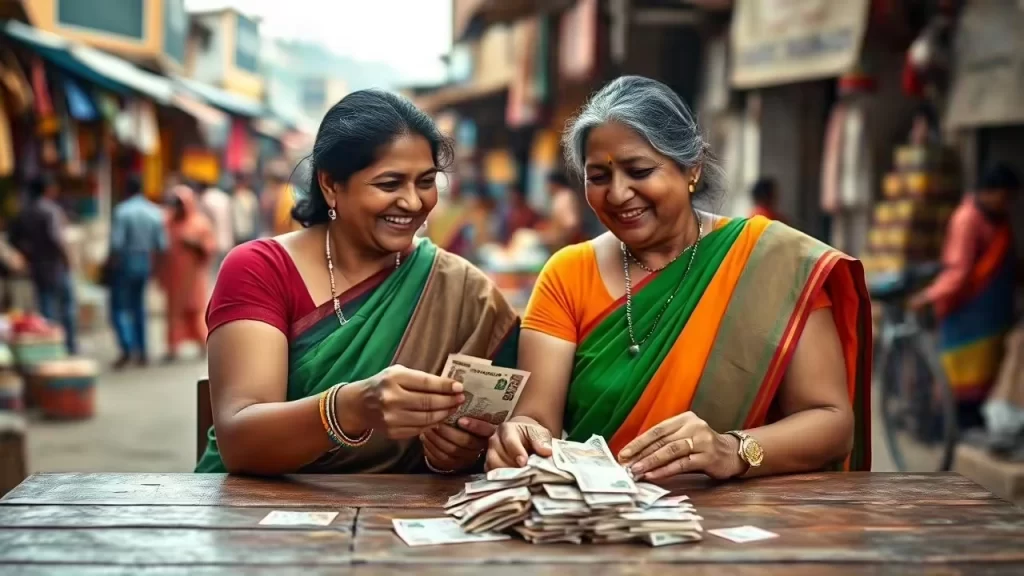
Businesses owned by women are growing quickly in India’s semi-urban areas. This is changing how things work and questioning what we thought we knew. This movement is a big step toward businesses that include people of all genders. These businesses are creating jobs and long-term growth in places like Pimpri in Maharashtra.
What caused the rise
Women who own businesses in semi-urban India are using government programs and online platforms to start businesses in areas including retail, handicrafts, and processing farm goods. Stand-Up India and Mudra Yojana are two programs that have given out billions of cash, largely to women. This has helped businesses get started in several parts of Uttar Pradesh and Maharashtra. Digital platforms like UPI and e-commerce apps have made it easier for small businesses to reach customers all over the country. They don’t need to invest a lot of money on infrastructure to do this.
Skill India and other programs that help people learn new skills have taught thousands of people how to sew, cook, and sell products online, especially in places that are only partially urban. Self-help groups have taught women more about money, which has helped them run small businesses better. Women in and around Pimpri, Maharashtra, are creating more and more cooperatives to farm crops and make clothes. This is making communities stronger and giving families a lot more money.
Important Areas & Ways to Tell if You’re Successful
Businesses managed by women do well in semi-urban settings because they suit the needs of the area and employ its resources. Handmade goods and crafts are the most popular, and women’s businesses are growing quickly in groups in Gujarat and Rajasthan. Agri-businesses, including as organic farming and dairy, have grown quickly because to programs like the National Rural Livelihood Mission, which has enabled millions of women create self-help organizations.
Handicrafts are growing a lot in sectors like pottery and weaving, which gives a lot of women in the area jobs. Food processing is next, and there are always positions available at companies that make snacks and pickles. Retail and online shopping are growing even faster because individuals are altering how they shop. This is especially true for kirana businesses that are connected to the internet in Tier-2 cities. In places like Maharashtra and Kerala, agri-processing businesses like dairy cooperatives and spice companies support people by turning raw materials into things that are worth more.
These sites show that women who live in semi-urban areas are more adaptable than women who live in cities. They might also be able to use low-cost local supply chains well. There are many stories of people who have done well. For example, cooperatives in Pimpri-Chinchwad have grown a lot and are now sending embroidered goods to other nations, which boosts the area’s export numbers.
How government policy and support change things
The central and state governments say that policies that are only for certain areas have made this rise happen faster. Recent budgets have set aside a lot of money for women business owners, especially those who live in semi-urban areas. Lakhpati Didi and other programs like it want to help millions of women make a lot of money each year. In Maharashtra, programs provide clients big loans without needing any collateral. This makes it easy for businesses to move to areas close to industrial centers like Pimpri.
Problems and New Ways to Solve Them
Businesses owned by women in semi-urban India have come a long way, but they still have problems like not being able to get to modern technology, cultural biases, and gaps in the supply chain in remote areas. Some businesses are still attempting to find out how to market and sell online. Some people still can’t start their own businesses due of patriarchal norms, which makes it take longer for additional people to get engaged.
Women are committed to find a way to solve these issues. You can sell directly to clients if you have apps that are easy to use and help them become acquainted to digital technology. This may treble the income of anyone who get in early. Cluster models through self-help groups lower the risks for each person since networks share resources like technologies that make production more efficient. Mentorship programs work because they connect new people with experienced advisors. This helps new enterprises stay open and stay in business for a long time.
Fintech solutions that help people get access to financial services fill in the gaps that still remain. Community-driven efforts that challenge deep-seated beliefs make it easier for more people to embrace and get involved.
Case Studies That Inspire
Sunita Pawar’s auto-accessory factory in Pimpri, Maharashtra, is an excellent example of how to combine old capabilities with new needs in the electric car market. There are hundreds of women that work there. At first, she only acquired tiny amounts of money from government programs to start her business. Now, though, it makes a lot of money every year. This illustrates how creative and strong individuals in semi-urban settings can be.
Lakshmi’s organic spice collective, which is on the outskirts of Coimbatore, sells spices to big cities and exports them to other nations. It also gives hundreds of women in the neighborhood work. Rani Devi runs a business in Muzaffarpur, Bihar that processes litchis. It handles a lot of litchis every day, which gives a lot of people seasonal work and keeps rural salaries steady. These real-life examples show how concentrated education and support programs provide women the tools they need to make local items into brands that can compete throughout the world. This makes other people in India want to do the same thing.
Effects on society and the economy
There are more and more businesses owned by women, and this is having a big impact on economies in semi-urban areas. Most of the individuals who work at these firms live nearby, and they all have a number of jobs that are tied to each other. This keeps skilled workers in their hometowns and inhibits people from moving to cities. People who make more money can buy more food, get better health care, and go to school. For example, girls who live in homes that are part of the program are more likely to go to school.
This movement helps women break down rigid gender roles by providing them more money and authority. They then use that money and power to help their families and communities. People in semi-urban areas become financially independent, which improves community dynamics and leads to fewer social problems. For the country to reach its bigger economic goals, women who own businesses are vitally important. In the next ten years, semi-urban businesses are projected to play a big role in India’s growth.

