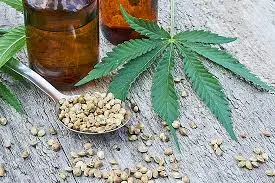
Cannabidiol (CBD), the non-psychoactive compound derived from the hemp plant, is gaining rapid traction in the skincare and cosmeceutical market. With promises of anti-inflammatory effects, antioxidant activity, and skin-barrier support, CBD-infused creams and serums are being pitched as the next frontier of beauty innovation. However, while the science is increasing, so too are the questions about efficacy, safety, and regulatory oversight. This article explores the current state of the science behind CBD in skincare: its potential benefits, its risks, and what consumers should know.
Recent studies show that topical CBD exhibits a range of biological effects on skin cells. CBD interacts with the skin’s endocannabinoid system through multiple pathways, including CB1 and CB2 receptors, TRPV channels, and PPARs, demonstrating anti-inflammatory, antioxidant, antibacterial, moisturising, and anti-ageing properties. For example, CBD may reduce the secretion of sebum in sebocytes and inhibit the growth of acne-related bacteria, suggesting promise for acne-prone skin. Additionally, CBD may protect against oxidative damage by reducing reactive oxygen species in skin cells, upregulating antioxidant enzymes, and helping retain hydration and elasticity.
Preliminary cellular-level studies are encouraging. Investigations have found that CBD at low concentrations is generally non-cytotoxic to skin cells and may even promote melanin production and vascular endothelial growth factor in vitro. However, researchers stress that human studies are still necessary to confirm these effects.
Despite its potential benefits, CBD skincare is not without concerns. One major issue is regulation and standardisation: sourcing, extraction methods, purity, concentration, and formulation vary widely across products, and the regulatory infrastructure for CBD in cosmetics remains underdeveloped. While topical CBD is often well-tolerated, questions remain about long-term exposure, cumulative effects, potential systemic absorption, and use in special populations such as pregnant or lactating women. Awareness is growing in markets such as India, but experts recommend patch testing due to individual skin sensitivities and differences in product formulations.
From a consumer perspective, it is advisable to choose products from reputable manufacturers who provide third-party lab results and clearly state CBD content, conduct a patch test before full application, avoid relying solely on CBD as a “miracle cure” for serious skin conditions, and understand that product quality is critical for effectiveness and safety.
The integration of CBD into skincare presents an intriguing frontier in dermatology and cosmetic science. Early research supports roles in inflammation reduction, antioxidant protection, and sebum regulation. Yet the evidence remains emergent, especially in large-scale human trials and long-term safety data. Consumers should approach CBD-infused skincare with informed caution, recognising that benefits may depend heavily on formulation, concentration, and product quality, and that regulatory clarity is still evolving. While CBD shows promise, it is not a guarantee, and careful product selection, professional consultation, and realistic expectations are essential for anyone considering CBD in their skincare regimen.