
July 30, 2025
Tsunami alerts issued across much of the U.S. West Coast following a powerful undersea earthquake in the Pacific Ocean were officially downgraded early Wednesday morning. However, emergency management agencies in Northern California are maintaining a heightened state of alert, citing region-specific concerns over residual wave activity and coastal hazards.
The initial tsunami warnings were triggered after a magnitude 7.8 earthquake struck near the Kuril Islands, located off the northeast coast of Russia, late Tuesday night. The Pacific Tsunami Warning Center (PTWC) quickly issued advisories for Hawaii, Alaska, and the western continental United States, including California, Oregon, and Washington.
By 6:00 AM Pacific Time, tsunami alerts were lifted for most coastal regions, as the PTWC determined that any tsunami waves generated were expected to be minimal and unlikely to cause widespread damage. However, the California Governor’s Office of Emergency Services (Cal OES) confirmed that Northern California’s coastal counties, including Humboldt, Del Norte, and Mendocino, would remain under tsunami watch for several more hours due to localized tidal surges and strong currents.
“While the broader threat has passed, we continue to see irregular wave patterns and potentially dangerous surf conditions, particularly along the northern coastline,” said Cal OES Director Nancy Ward during a press briefing.
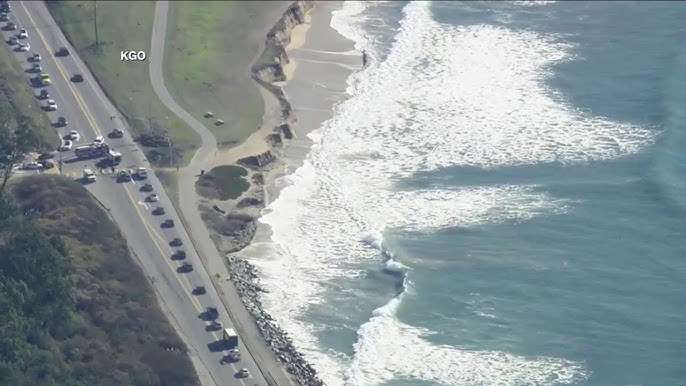
The National Weather Service (NWS) echoed this caution, urging residents and visitors in Northern California to stay off beaches, jetties, and coastal trails. Small harbors and bays may experience strong currents and unusual water level fluctuations, posing a risk to swimmers, boaters, and shoreline businesses.
Although the West Coast largely avoided serious impact, the alerts prompted precautionary evacuations in several low-lying communities. In Crescent City, a region historically vulnerable to tsunamis, emergency sirens were briefly activated and local schools delayed morning operations.
“Preparedness drills paid off,” said Crescent City Mayor Blake Thompson. “Even though we didn’t face a major tsunami, our community responded swiftly and calmly, which is exactly what we want in situations like this.”
Experts from the U.S. Geological Survey (USGS) and NOAA continue to monitor aftershock activity near the quake’s epicenter. While no further seismic activity is currently forecasted to impact the West Coast, authorities stress the importance of remaining vigilant.
The event serves as a stark reminder of the region’s vulnerability to seismic and oceanic hazards. Officials encourage the public to review local evacuation routes, update emergency kits, and sign up for tsunami and earthquake alerts through official government channels.

