
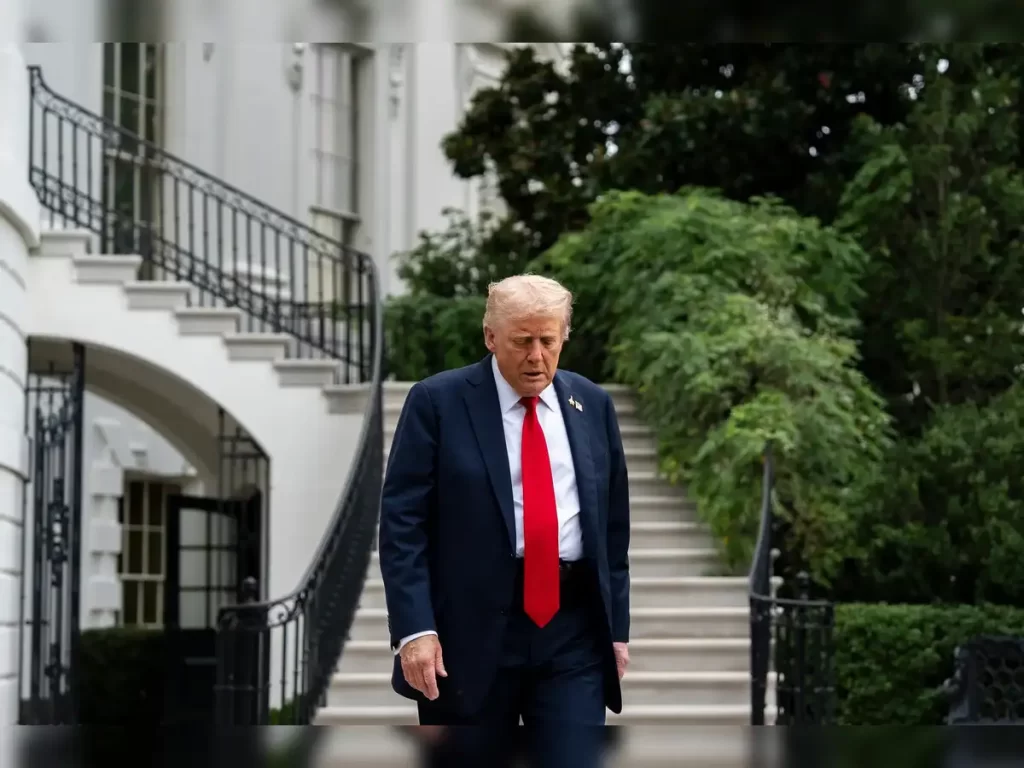
For the first time since 2018, the United States federal government has officially entered a shutdown, following a failure by Congress to pass competing spending bills for the fiscal year. The impasse stems from partisan disagreements over healthcare funding, leading to the furlough of hundreds of thousands of federal workers and disruptions in government services nationwide.
At 12:01 a.m. EDT on October 1, the shutdown took effect after congressional Democrats and Republicans could not reach a consensus on a continuing resolution to fund the government. Republicans put forward a stopgap funding measure extending appropriations until November 21, 2025, but it excluded provisions for extending health insurance tax credits. Democrats opposed the bill, insisting that healthcare funding provisions were essential to protect millions of Americans. The deadlock forced the government into closure.
Impact on Federal Workforce and Services
According to the Congressional Budget Office, roughly 750,000 federal employees are expected to be furloughed daily during the shutdown, while another 700,000 employees will continue working without pay. Key government agencies, including the Centers for Disease Control and Prevention (CDC) and the National Institutes of Health (NIH), have suspended most operations. The Federal Aviation Administration (FAA) has furloughed thousands of employees, resulting in delays and disruptions to air travel across the country.
While essential services such as Social Security, Medicare, and Medicaid continue to operate, many administrative functions and non-essential federal programs have come to a halt. National parks and museums have closed, and visa and passport processing times have been delayed significantly. This shutdown comes at a time when the economy is showing signs of slowing, raising concerns about the broader impact of government closures on public confidence and economic stability.
Political Fallout and Public Response
The shutdown has sparked criticism from both sides of the aisle. Democrats accuse Republicans of attempting to strip healthcare benefits, while Republicans claim Democrats are unwilling to compromise on budget issues. The political standoff reflects deep partisan divisions over fiscal policy and healthcare — an issue that has become central to U.S. politics in recent years.
Public reaction has been mixed. Advocacy groups and unions representing federal employees have condemned the shutdown as an avoidable crisis, warning of its long-term consequences for government efficiency and public welfare. Citizens have expressed frustration over delayed services, with some fearing extended disruption if the stalemate continues.
Outlook and Resolution
Lawmakers face increasing pressure to resolve the deadlock quickly, as prolonged shutdowns historically result in significant economic and reputational damage. Analysts warn that the current political climate makes a quick resolution challenging. Both parties have expressed willingness to negotiate, but neither side has signaled a clear path forward.
As of now, the duration of the shutdown remains uncertain, with potential implications for millions of Americans dependent on government services. The unfolding situation underscores the fragility of bipartisan cooperation in the current U.S. political landscape.

