
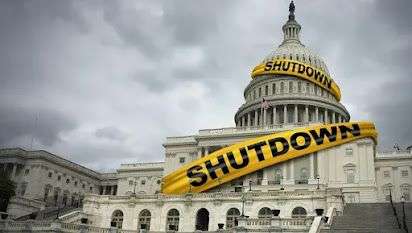
The ongoing federal government shutdown in the United States, now entering its second full month, is imposing mounting pressure on workers, critical social programs, and travel infrastructure. With no resolution in sight, the stakes continue to escalate: essential workers remain unpaid, benefits for low-income families face interruption, and major airports are enduring flight disruptions. The crisis has underscored the real-world consequences of political deadlock in Congress.
One of the most urgent impacts of the shutdown is the financial strain on federal workers designated as “essential.” According to the Federal Aviation Administration (FAA), tensions are growing within air-traffic control centres, where staff working without pay are reportedly fatigued and under severe stress. These staffing shortfalls have begun to ripple through the aviation system, with major hubs such as Newark Liberty International Airport recently instituting delays and ground stops due to controller shortages tied to the shutdown.
Simultaneously, the shutdown is straining social-safety nets, most notably the Supplemental Nutrition Assistance Program (SNAP). With over 40 million Americans relying on food-aid benefits, the United States Department of Agriculture (USDA) has warned that it will not issue benefits for November unless budget clarity arrives. The impending interruption has drawn declarations of states of emergency in several states, underscoring the gravity of the situation.
Beyond food aid and aviation, the broader economic consequences are also emerging. The Congressional Budget Office (CBO) estimates the shutdown could cost the U.S. economy between 7 billion and 14 billion dollars for each week that funding lapses. Contractors and service providers tied to federal programmes are either furloughed or unpaid, creating a cascading effect across states and localities.
Politically, the standoff persists. While the House remains largely inactive and the Senate is stalled, judicial rulings have begun to pressure the federal administration on food-aid payments. Courts have ordered the USDA to tap into contingency funds to cover SNAP payments, even as the administration argues the law prohibits such use. Though flights and benefit disbursements have not yet collapsed entirely, analysts warn that the system is reaching a breaking point.
Travel disruptions, while so far moderate, risk intensifying as the holiday travel season nears. The aviation system’s fragility has been highlighted as controllers ponder their financial future and contemplate missing work due to unpaid wages. That uncertainty looms large for millions of travellers and for the broader supply-chain infrastructure that relies on timely air operations.
As the U.S. government shutdown stretches into its second month, the consequences are no longer hypothetical — they are tangible. Federal workers remain without pay, food-aid programmes that serve millions are imperiled, and vital infrastructure such as aviation is showing signs of strain. The economic cost grows each day that Congress remains deadlocked. Until a comprehensive funding bill is passed, the American public — especially the most vulnerable — will continue to feel the effects of this political impasse. The path forward demands swift action to restore funding, stabilise critical services, and relieve mounting hardship.

