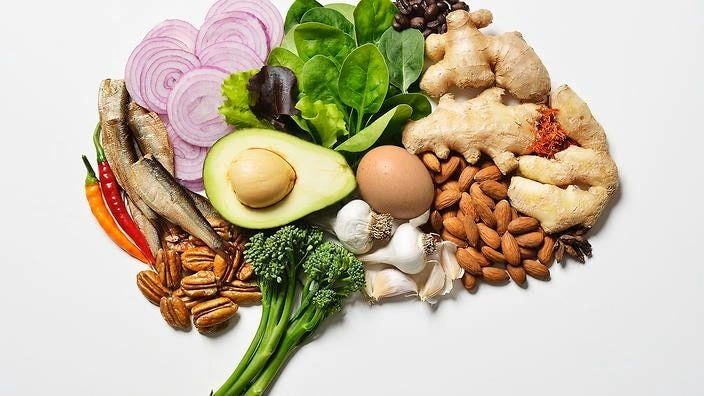
Every meal you eat has an effect on more than simply your waistline. It also impacts how your brain works, how it appears, and how healthy it is over time. New studies demonstrate that the things we consume every day might alter how well we think, how stable our minds are, and how likely we are to get sick. This makes us think about what we eat again.
Your brain only weighs 2% of your body, but it uses 20% of your daily energy. Because there is so much demand for it, the quality of the gasoline is very important. Nutrients from food can cross the blood-brain barrier, which gives neurons energy, helps synaptic plasticity, and fights oxidative stress.
Diets heavy in processed carbs and trans fats throw this balance off, which can cause neuroinflammation and make it harder to remember things. On the other side, meals that are good for you and high in antioxidants and omega-3s raise levels of brain-derived neurotrophic factor (BDNF), which is a protein that helps neurons develop and get stronger. Research consistently correlates dietary patterns with cognitive outcomes, indicating that societies adhering to a Mediterranean-style diet—characterized by a focus on vegetables, fish, and olive oil—demonstrate a reduced risk of cognitive decline.
Eating too much sugar makes your brain release dopamine, which is similar to how drugs that are addictive function. Over time, this makes the brain less responsive to insulin, which can induce Alzheimer’s disease and cognitive fog. People typically call this “Type 3 diabetes.” Eating a lot of sugary meals for a long time elevates blood sugar levels, which generates advanced glycation end-products (AGEs) that damage brain cells.
Studies suggest that people who eat more than 50 grams of added sugar every day are 30% more likely to have their hippocampus shrink. This is the area of the brain that helps you learn. People who drink a lot of soda have less activity in their prefrontal brain, which makes it difficult for them to make choices. Artificial sweeteners don’t contain any calories, but they affect the flora in the gut. This can limit the manufacture of serotonin indirectly because 95% of serotonin comes from the stomach.
DHA and other fatty acids, which are found in huge concentrations in wild-caught fish, make up 60% of the fat in the brain. They make membranes more flexible, which makes it easier for impulses to move between neurons. Low levels of this nutrient, which is typical in Western diets that are strong in vegetable oils, have been related to depression and ADHD. Clinical studies indicate that a daily intake of 1 to 2 grams enhances concentration and mitigates anxiety.
Flaxseeds and other plants provide ALA, but it doesn’t change into DHA very well (less than 5%). Eating salmon or sardines twice a week is excellent for your brain. The vagus nerve and metabolites connect the gut microbiota to the brain. Diets high in fiber can change the gut flora.
Yogurt and kimchi are examples of fermented foods that contain a number of different bacteria in them. These bacteria generate short-chain fatty acids, which help decrease inflammation. If you don’t eat enough fiber, helpful bacteria die off. This enables diseases thrive and leak poisons. This produces inflammation throughout the body, which can even reach the brain. This “leaky gut” impact is linked to both multiple sclerosis and Parkinson’s disease.
Garlic and onions are good sources of prebiotics, which are food for good bacteria. Foods high in probiotics raise GABA levels, which helps manage mood. Polyphenols are found in berries, dark chocolate, and leafy greens. They protect neurons from DNA damage by neutralizing free radicals. Fried foods and alcohol cause oxidative stress, which speeds up the shortening of telomeres. This makes the brain shrink faster.
A study from Harvard found that seniors who ate blueberries had 20% better memory ratings. Curcumin, which is present in turmeric, can cross the blood-brain barrier and get rid of amyloid plaques that are associated to dementia. Chlorogenic acid is in moderate amounts of coffee (3–4 cups). It makes you more attentive without making you jittery. It protects dopamine neurons, which lowers the chance of Parkinson’s disease by 65%.
EGCG is in green tea, and it helps with autophagy, which is the mechanism that cleans out cells and keeps the brain healthy. Chips, beverages, and ready-made meals are examples of ultra-processed foods that include emulsifiers and preservatives in them that hurt the gut lining and make it irritated. Eating 10% more food increases the incidence of dementia by 25%, according to a study that was out in The Lancet in 2024.
Margarine has trans fats that turn LDL cholesterol into plaques that stop oxygen from getting to brain tissue. High-fructose corn syrup puts a lot of stress on the liver, which makes it hard to think clearly.When you consume in a limited amount of time (like 16:8), your body goes into ketosis. This means that ketones from fat become the best fuel for your brain, even better than glucose when you’re stressed.
This raises BDNF and mitophagy, which gets rid of cells that are damaged. tests on rodents suggest that brain health can add 30% to a person’s life, while tests on people show that their focus grows better. Drinking in moderation can still harm white matter, which is crucial for brain areas to talk to one other.
Red wine has some resveratrol that helps, but the main problem is ethanol, which messes up REM sleep and the balance of glutamate. Thiamine levels drop when you binge, which enhances the risk of Alzheimer’s by three times. Eggs and spinach are good sources of B vitamins, which inhibit the buildup of homocysteine, a neurotoxic. Not having anything can make you act like you have dementia.
Vitamin D from mushrooms that have been in the sun or foods that have been fortified with it controls more than 200 genes in the brain. People with schizophrenia tend to have low amounts of vitamin D. Magnesium from nuts and seeds relaxes NMDA receptors, which helps with migraines and excitotoxicity. Zinc is found in oysters and pumpkin seeds. It aids 300 enzymes, some of which help with memory
People in Okinawa and Sardinia eat a lot of veggies and not a lot of sugar, which keeps their minds sharp. The Nurses’ Health Study found that participants who followed the MIND diet were 53% less likely to have Alzheimer’s. The fact that people in cities lose their cognitive capacities faster than people in the country indicates how dangerous processed meals are.
Make modifications to your behaviors without making significant changes. For breakfast, skip the cereal and have oatmeal with nuts and fruit. This helps maintain blood sugar levels steady. For lunch, pick vegetables instead of sandwiches and add olive oil to assist your body absorb them. Have dark chocolate (85% or more) instead of cookies.
Dinner: twice a week, fatty fish and veggies with turmeric. Instead of soda, drink green tea. Dr. Lisa Mosconi, a neurologist, explains that the brain is flexible and that changing your diet can help it get better. Research shows that a keto-mediterranean hybrid diet for six months can make the hippocampus bigger again.
Food policies are not keeping up with the surge in neuro-diseases induced by being overweight. School lunches that are high in processed carbs set kids up for a lifetime of bad habits, which puts a strain on healthcare. Corporate marketing targets young people with unhealthy food for their brains.
What the foods you eat every day really do to your brain