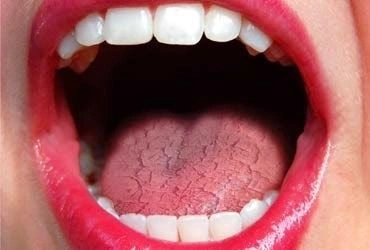
People frequently think of dry mouth as a small problem, such when you eat salty food, drink coffee late at night, or have a stressful day. But this symptom, which may appear small, could be a sign of a more serious problem, such as diabetes, an autoimmune issue, dehydration-related organ strain, or even problems that happen after cancer treatment. In the past few years, doctors and public health experts have stopped seeing persistent dry mouth as just a cosmetic problem and started seeing it as a “red flag” that needs more medical attention.
When dry mouth lasts for a long time, it stops being a temporary annoyance and could be a sign of metabolic imbalance, pharmaceutical side effects, or immunological malfunction. Knowing that dry mouth is a sign of a concealed health problem gives people the power to get help right away instead of just covering it up with sugary drinks or quick remedies that could make things worse in the long run. This article talks about the science behind dry mouth, the major health problems it can mean, and how to find and treat it early on.
What is dry mouth, and why is it important?
Dry mouth, also known as xerostomia in the medical field, is the feeling that there isn’t enough saliva being made or that the consistency of the saliva has changed. Saliva is more than just a lubricant; it is important for digestion, oral immunity, pH balance, and protecting the teeth and gums mechanically. A healthy flow of saliva helps get rid of food particles, neutralize acids made by bacteria, and transport proteins that kill germs and prevent infections in the mouth.
When saliva levels drop below normal, the mouth is more likely to have problems like:
Higher chance of getting gum disease and tooth decay around the gum line and on the lower front teeth.
More common are mouth sores, cracked lips, and fungal infections such oral thrush.
Bad breath that doesn’t go away, a change in taste, and trouble swallowing or speaking.
Chronic dry mouth is generally an early symptom that something is wrong with the body because these problems can happen without warning.
Causes that happen often: lifestyle and medicines
It is crucial to tell the difference between temporary, reversible causes of dry mouth and permanent, medically important ones before attributing it to serious disorders. Many things that happen every day can temporarily slow down the flow of saliva:
Dehydration can happen if you don’t drink enough fluids, sweat a lot, have a fever, throw up, or have diarrhea.
Breathing through the mouth when sleeping because of a stuffy nose or long-term sinus problems.
Smoking, drinking alcohol, and drinking caffeine can all dry up the tissues in the mouth.
Stress and anxiety can change the amount and consistency of saliva by sending signals through the neurological system.
Medication side effects are another group of things that can cause problems. A lot of commonly prescribed medicines have dry mouth as a known side effect. These are:
For allergies and colds, antihistamines and decongestants are utilized.
Medications for high blood pressure, anxiety disorders, depression, and pain relief.
Some bronchodilators for asthma, diuretics, and some drugs for Parkinson’s disease.
Many seniors, especially those over 60, take more than one medicine. This can make the salivary glands work harder, which can transform an occasional pain into a regular battle. Talking to a doctor about your medications and going over them with them is frequently the first step in getting rid of dry mouth caused by medicine.
Dry Mouth as a Sign of a Serious Illness
Chronic dry mouth can be a sign of many systemic illnesses, in addition to the impacts of lifestyle and medicine. If dry mouth doesn’t go away even after drinking more water, avoiding obvious triggers, and improving oral hygiene, it could be a sign of a more serious problem.
Diabetes and Stress on the Metabolism
One of the most well-known connections is between diabetes and dry mouth. When blood sugar levels are too high, it makes you urinate more, which makes you dehydrated and stops your body from making saliva. A dry mouth may also be a sign of other common problems, such as extreme thirst, frequent urination, tiredness, and weight loss that can’t be explained.
In diabetes, a decrease in saliva exacerbates oral health hazards. If you don’t have enough saliva to neutralize acids and wash away sweets, your risk of getting cavities and inflamed gums goes up.
Sjögren’s syndrome, an autoimmune disorder, perfectly illustrates the concept of a “hidden health signal.” In this case, the immune system mistakenly attacks glands responsible for producing moisture, including the salivary and lacrimal (tear) glands. The result? A well-known trio of symptoms: a dry mouth, dry eyes, and persistent fatigue.
Joint pain and dryness in other mucosal surfaces, like the nose and throat, are also common.
Sjögren’s is often missed since doctors don’t think about it when they see early signs that could be caused by stress or becoming older. But if Sjögren’s isn’t treated, it can cause serious problems like chronic tooth decay, corneal damage from dry eyes, and, in some cases, lung or kidney problems. When dry mouth is present with dry eyes, joint discomfort, or recurrent oral thrush, doctors frequently suggest autoimmune panel testing to exclude Sjögren’s syndrome.
Radiation Damage and Cancer Treatments
Dry mouth is a common side effect of radiation therapy to the head and neck and some chemotherapy regimens for people with cancer. Radiation can hurt the salivary glands, which can cause long-term or even permanent drops in saliva. This side effect is not just cosmetic; it raises the risk of mouth infections, dental cavities, and problems with nutrition because of pain or trouble swallowing.
Oncologists increasingly use dry mouth as a way to measure quality of life and how well something works. To reduce harm to the glands, doctors use cautious radiation field planning, procedures that protect the salivary glands, and early referrals to dentists or oral medicine specialists. For survivors, managing dry mouth on a continuous basis becomes an element of long-term care for those who have survived.
Other Systemic Connections and Concealed Dangers
In addition to these well-established correlations, chronic xerostomia has been noted in various other clinical settings:
Neurological disorders, such as Parkinson’s disease and Alzheimer’s disease, wherein modified autonomic function and pharmacological interventions can influence saliva secretion.
Infections and gland-related disorders, like infections or growths in the salivary glands, that stop normal ductal flow and make things less wet.
Chronic dehydration due to gastrointestinal or renal illness, wherein fluid loss or dysregulation indirectly deprives the salivary glands.
These connections show why healthcare providers are treating recurrent dry mouth as a sign of something else rather than as a separate problem. When a patient says they have persistent dry mouth, doctors may ask about other symptoms, such exhaustion that can’t be explained, joint pain, changes in vision, or changes in urination patterns, to get a better idea of their overall health.
When to Get Medical Help
There are several reasons why someone could have dry mouth, thus not every time is it an emergency. But there are a few situations that should be checked out by a doctor right away:
Dry mouth that doesn’t go away after two to three weeks, even though you drink more water and adjust your habits.
Dry mouth that comes with being very thirsty, going to the bathroom a lot, losing weight, or being very tired.
Dry mouth, dry eyes, joint pain, sores in the mouth that come back, or trouble swallowing or speaking.
Dry mouth that comes on suddenly after starting a new medicine or during or after cancer treatment.
In these cases, a doctor may do a simple physical check, look at the list of medications, and conduct blood tests or imaging to find out what is causing the problem. Early diagnosis can stop problems including permanent damage to teeth, eyesight problems, or the worsening of metabolic or autoimmune diseases.
Why a dry mouth could be a sign of bigger health problems