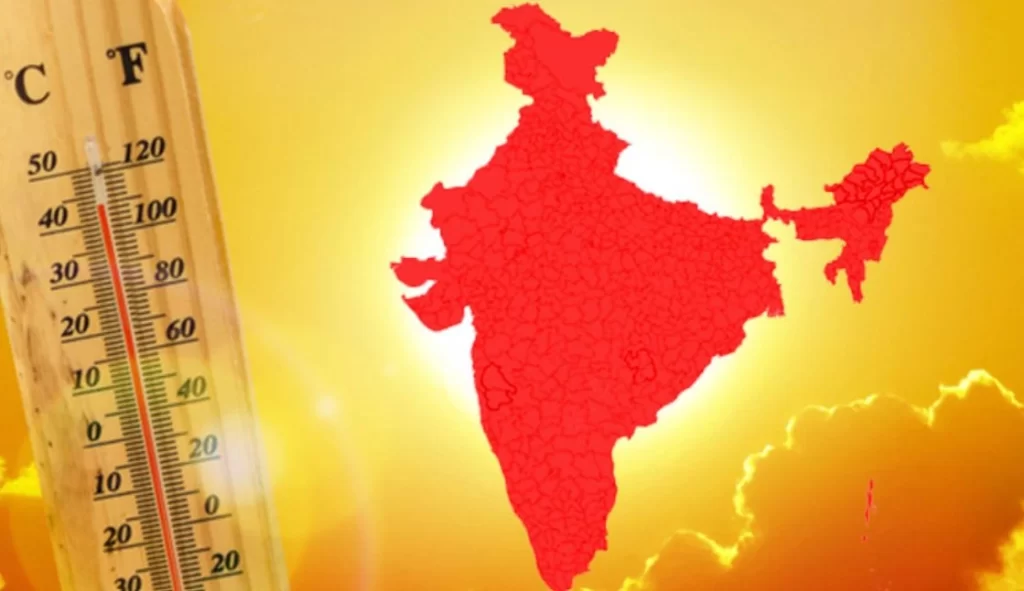
In March 2026, India was hit by unseasonable rain and a cold wave that came out of nowhere. This made spring feel like winter again. This event, caused by unusual western disturbances, has made people all around the country very curious and worried.
The sudden cold snap hits North India
The abrupt drop in temperature has surprised people in India because March usually means warmer days and the start of summer. Delhi, parts of Punjab, Rajasthan, Uttar Pradesh, and Bihar woke up to gloomy skies, strong winds, and temperatures that dropped to as low as 16–22°C in some places. These temperatures were more like January than late March. The India Meteorological Department (IMD) warned of rain, lightning, thunderstorms, and perhaps hailstorms that would hit northern and central India till at least March 21.
This rain, which came at an unusual time, has helped cool down Gujarat, Rajasthan, and Madhya Pradesh, which had been very hot just a few weeks ago, with temperatures reaching 38 to 42 degrees Celsius. But the quick change from hot to cold shows how unpredictable India’s weather is. On March 20, the temperature in Delhi-NCR dropped to 21.7°C, making it the coldest March day in six years. The air quality was also good for the first time in 161 days (AQI 93).
Meteorologists say that a strong western disturbance, which is a low-pressure system that comes from the Mediterranean Sea, moved through northern India, causing heavy rain and winds from the north. This occurrence is a meteorological anomaly because there is usually not as much activity in March as there is in the winter months.
Explaining the Science of Western Disturbances
When extratropical cyclones from the Mediterranean hit the Himalayas, they create western disturbances that move clouds full with precipitation eastward. In the winter, they bring snow to the hills and rain to the plains. However, they don’t usually last into March, and when many systems line up, they get stronger.
A powerful disturbance that caused thunderstorms and hail made a 1,000-km-long rain band move across north India this March. Cool air from the northwest raced in behind the system, lowering daytime highs and making it feel like winter. Akhil Shrivastava, a scientist at the IMD, said that the main reason for Delhi’s drop was a lot of thunderstorm activity.
Important influences in the atmosphere:
A low-pressure trough is moving cold fronts into northwest India.
Interaction with monsoon withdrawal patterns, which keeps moisture in the air for longer than usual.
Jet streams at higher levels are speeding up the disturbance and making it have a bigger effect.
Experts like Navdeep Dahiya from LiveWxIndia called it “winter back for one day” and warned people to be careful during the short break. In Jammu and Kashmir, Himachal Pradesh, and Uttarakhand, snow fell on the Himalayas. In Assam, West Bengal, and even southern regions like Karnataka and Maharashtra, significant rain fell.
Effects on the Region: From Help to Trouble
The cold wave’s effects are felt in many places, bringing both welcome chill and practical problems. In areas like Punjab and Uttar Pradesh, where farming is important, rain that falls at the wrong time could hurt wheat crops that are getting ready to be harvested. This could make harvests take longer and change food costs. Farmers in Rajasthan said that hailstorms flattened their fields, which is similar to what happened during the last heatwave that hurt rabi crops.
People who live in cities in Delhi-NCR received a break from pollution as the AQI improved a lot because of the rain-washed skies. Strong winds of 50 to 60 km/h were dangerous, knocking down trees and cutting off power in Bihar and Haryana. Southern extensions reached Maharashtra, where hail hit the suburbs of Mumbai, making it hard for people to get to work every day.
The sudden shift in health boosts the danger of colds, breathing problems, and joint pain, especially for kids and the elderly. Hospitals in northern India saw a rise in weather-related illnesses, so they told people to dress in layers and stay indoors during thunderstorms.
New snowfall in hill stations like Shimla and Manali brought in more tourists than planned, with people coming at the last minute looking for a “winter wonderland” in spring. On the other hand, coastal places like Assam had to deal with floods from exceptionally severe rain, which forced people to leave their homes.
There was mild rain and thunderstorms in Delhi-NCR, along with the clean air breakthrough. Hail and strong winds hurt crops in Punjab and Rajasthan. In the Himalayas, snow fell, which brought more tourists but also made roads less usable. Heavy rain in East and Northeast India caused flooding in Assam and West Bengal, and thunderstorms shook the area. Even Maharashtra and Karnataka had hailstorms, which caused problems in cities and made nights cooler.
Long-Term Trends and the Link to Climate Change
Is this cold wave that isn’t normal a one-time thing or a sign of bigger changes? Scientists say that climate change is to blame since it makes extreme weather worse by changing jet streams and slowing down the change of seasons. India’s spring window is getting smaller. Heat waves come earlier—the first one of 2026 occurred in early March—and strange western disturbances make winter-like spells last longer.
According to IMD, western disturbances are strongest from December to February. However, the trends in March 2026 are similar to those in March 2024.
This results in an irregular southward movement of cold air.
Weather experts say that these kinds of “wild U-turns” may happen more often, which will make existing forecasting models less accurate.
Worse, water resources are getting tight. Rain fills reservoirs before summer, but hail that falls at the wrong time hurts crops, which threatens India’s grain basket. Cities need to invest in infrastructure that can withstand flash floods and fluctuations in temperature from hot to cold.
The economy is experiencing a ripple effect, and agriculture is taking a hit, particularly in India.
Wheat, a staple of the rabi season, is encountering difficulties.
Excess moisture is taking a toll, and the quality is deteriorating as a result.
Early estimates indicate that the affected regions could experience a 5–10% reduction in yield. Even with government oversight of reserves, price fluctuations remain a possibility if crops underperform.
Conversely, the cold weather can lessen the effects of extreme heat stress, which could help later harvests, such as pulses and vegetables. Dairy farmers often prefer cooler weather because it makes their animals more comfortable and reduces the negative effects of heat on milk production.
Tourism helps the economy by making up for some losses. Hill resorts, for instance, experienced a 20% uptick in reservations.
Supply chains are in constant flux. In northern India, the demand for woolen goods surged, while air conditioner sales saw a brief dip. Insurance firms are bracing for a wave of claims stemming from hail damage to roofs and vehicles across Maharashtra.
The government’s response and IMD predictions
The IMD’s proactive alerts, which were sent out on March 19, gave people time to get ready. They said that the weather will stay cold until March 21 and then slowly warm up after that. Temperatures should rise back to 27°C over the weekend, which is normal for this time of year. However, light rain may last until March 23.
In states that are more likely to be affected by floods, officials sent teams to do crop surveys and help with flood relief. The Center told states to activate their heatwave plans early since they expect April and May to be hotter. Public warnings stress the importance of staying hydrated, wearing warm clothes, and not traveling at night when there are strong winds.
Why is the weather in March acting like winter? The Science Behind India’s Sudden Drop in Temperature