
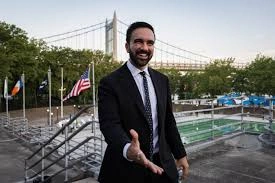
New York City is preparing for a historic transition as mayor-elect Zohran Mamdani, a Democratic Socialist and the first Muslim elected to the city’s highest office, is scheduled to be sworn in on January 1, 2026. While his victory has been hailed as a milestone in American urban politics, Mamdani’s transition period has also sparked intense debate—particularly over his decision to appoint civil rights attorney Ramzi Kassem as the next Chief Counsel to the Mayor.
A Historic Mayoral Transition
Zohran Mamdani’s election reflects a significant shift in New York City politics, driven by growing support for progressive policies, social justice reforms, and inclusive governance. As a Democratic Socialist, Mamdani campaigned on expanding affordable housing, strengthening labor protections, and reforming public safety through community-centered approaches.
His upcoming swearing-in is widely viewed as symbolic beyond city limits, marking a moment of representation for Muslim Americans and immigrant communities in one of the world’s most influential cities.
Key highlights of Mamdani’s mayoral profile include:
- First Muslim mayor of New York City
- Democratic Socialist with a progressive policy platform
- Strong backing from youth, labor unions, and marginalized communities
Controversy Surrounding the Chief Counsel Appointment
The most debated aspect of Mamdani’s transition has been his selection of Ramzi Kassem as Chief Counsel, the top legal advisory role in City Hall. The Chief Counsel is responsible for guiding the mayor on constitutional matters, city legislation, litigation strategy, and compliance with state and federal law—making it one of the most influential positions in the administration.
Kassem, a well-known constitutional law scholar and civil rights attorney, has built a career advocating for due process, immigrant rights, and civil liberties. Supporters argue that his background aligns with Mamdani’s commitment to protecting marginalized populations and upholding civil rights.
However, critics have raised concerns about Kassem’s past legal advocacy and public positions, questioning whether his approach may conflict with law enforcement agencies or complicate relations with state and federal authorities.
Political and Public Reactions
The appointment has drawn sharp responses across the political spectrum:
- Supporters say the choice reflects principled leadership and a commitment to civil liberties
- Opponents argue it could politicize the Mayor’s Office of Legal Counsel
- Legal experts note the appointment underscores a broader ideological shift in City Hall
Despite the criticism, Mamdani has defended his decision, emphasizing the need for an independent legal advisor who prioritizes constitutional protections and equity under the law.
Broader Implications for New York City Governance
As the Mamdani administration prepares to take office, the debate over the Chief Counsel appointment highlights the broader challenges facing progressive leadership in a complex municipal system. Balancing reform-driven ideals with institutional stability will be central to Mamdani’s early months in office.
Potential implications include:
- A more assertive stance on civil rights litigation
- Shifts in how City Hall engages with law enforcement and federal agencies
- Increased scrutiny of mayoral appointments and governance style
Looking Ahead
With January 1, 2026 approaching, all eyes remain on how Mayor-elect Zohran Mamdani will navigate his first major personnel decisions. While controversy has marked the transition, it has also underscored the significance of his historic victory and the expectations placed on his leadership. How Mamdani manages these early debates may shape not only his administration but the future direction of New York City politics.

