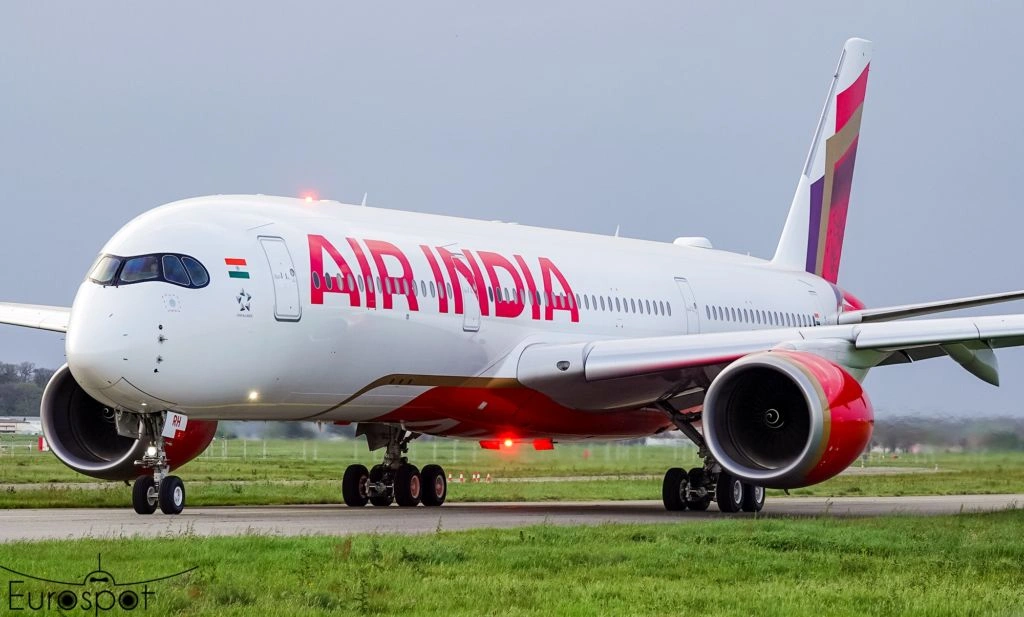
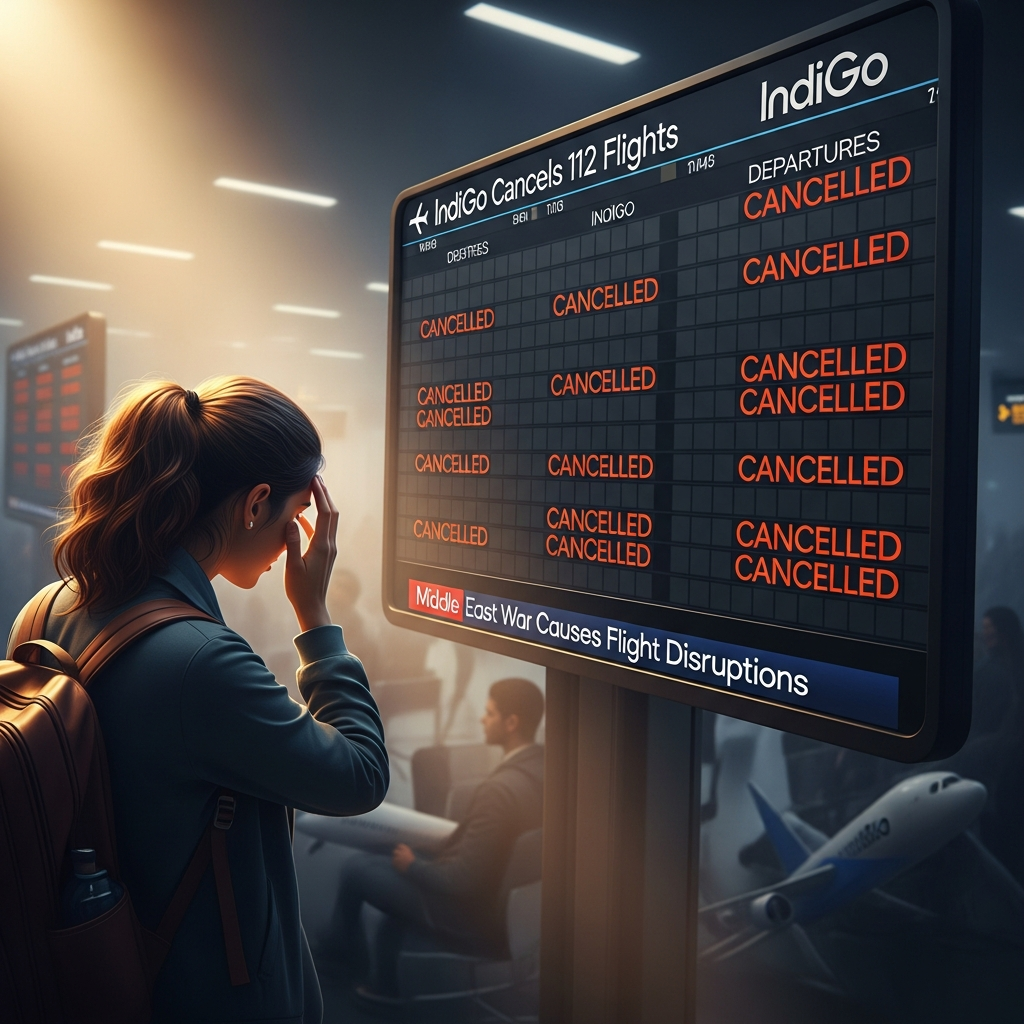
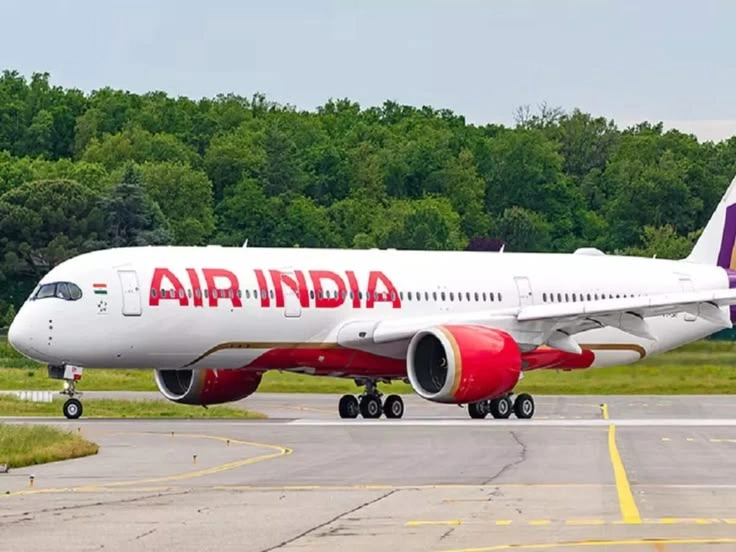
Air India has slashed a large chunk of its long-haul international schedule following a steep surge in jet-fuel costs and airspace disruptions triggered by the West Asia conflict, compelling the airline to suspend or reduce services on a number of key routes including Chicago, Newark, Singapore and Shanghai for a temporary duration. This operational withdrawal – which makes up almost a quarter of affected international sectors in recent announcements – is a dramatic demonstration of how a regional war may change global aviation economics, passenger plans and India’s access to major hubs in North America, Europe and Asia. The shift concerns to not just travellers who would find fewer seat options and higher costs, but also to India’s trade, tourism and diaspora linkages at a crucial juncture for the industry.
Why it’s occurring now
The airline said the immediate cause was two factors: increased jet fuel prices, pushed up by supply and route disruptions in and around the Persian Gulf, and lengthier flight paths due to airspace closures and limitations. With closures or hazards to major air corridors, flights must detour, adding to flying time and fuel usage. At the same time, crude and refined product markets tighten as tanker movements stall or reroute, pushing up jet-A pricing at airports around the world. For thin-margin long-haul routes this greater operating expenses quickly render scheduled services uneconomic unless rates climb dramatically. Airlines have been cutting capacity, cancelling marginal flights, or temporarily halting routes rather than incur huge losses, when presented with that decision.
What Air India announced and the immediate consequence
Air India recently announced cuts and suspensions on various foreign routes for the coming months in an operational update. The airline cited a combination of record-high jet fuel prices and airspace constraints as the rationale for the changes. The airline claimed the modifications were temporary and intended to stabilize operations while minimizing last-minute cancellations that displace people. In practice several routes to the United States and parts of Asia were halted and frequencies to a few of European and North American cities reduced. Where feasible, passengers with tickets on the impacted sectors have been provided alternatives, although many will have longer connections or have to change their trip dates.
On the ground, travel agencies and corporate travel teams are scurrying to rebook plans. Frequent flyers are checking status alerts. Airports that rely on a stream of international services are bracing themselves for decreased seat volumes. This has led to a race for few tickets on other carriers and a sharp surge in costs on the remaining flights, especially for select travelers – those planning time-sensitive trips to the U.S., Canada or Southeast Asia.
Why fuel economics mean cancelled flights
Jet fuel is often one of the greatest single costs for an airline, representing 25% to 40% of overall operating costs depending on the network mix and fuel price cycles. Airlines hedge gasoline to smooth costs but hedges very seldom, if ever, eliminate the financial shock of a demand or supply shock that sends spot fuel prices sharply higher. When fuel costs rocket and air space restrictions compel longer routings, the extra fuel burn per flight can drive the operational cost per available seat mile above the fare passengers are prepared to pay. For newer or smaller markets with a more price elastic demand, airlines may prefer to cut capacity temporarily rather than run at a loss. That’s what has been happening on roads connecting India to some global capitals.
Broader implications for Indian aviation and economy
The implications are much greater than passenger inconvenience. Ripple implications of reduced connectivity:
Tourism: A reduction in inbound seat capacity could quickly dampen tourist visits, with ripple effects on hotels and local services.
Trade and cargo: High-value express cargo is carried on passenger planes; fewer flights mean less capacity and higher freight charges on some routes.
Diaspora and business links: Communities with direct service for family, education or business connections are subject to additional travel time and costs.
Airline finances: Short-term reduction can nonetheless undermine an airline’s revenue mix and hurt market share if competing airlines capture displaced demand.
Air India’s changes are also a warning that national carriers might be particularly vulnerable: they frequently have several long-haul, prestige routes that are more subject to fuel swings and geopolitical constraints than shorter, domestic services.
What does this mean for the traveler in India
If your upcoming travel plans include long-haul foreign flights, be prepared for the following:
Limited options: Some direct flights may not be accessible for a long time so you may have to connect or choose different airlines.
Higher fares: Short-term price hikes often occur when capacity is cut on popular long-haul routes.
More planning: Allow extra time to rebook or alter tickets, and check luggage and connecting requirements if your itinerary now involves a new transit station.
Practical tip: Check for earlier rebooking periods, be flexible with dates where possible and look for alternate hubs for international connections. Companies with travel on the books may want to book fares now to avoid paying higher prices down the line.
How airlines are evolving around the world
Airlines around the world are responding to the same demands in a variety of ways:
Network adjustments: Cutting frequency on marginal long-haul routes or suspending some city pairs when demand and costs remain unfavourable.
Fleet redeployment: Moving long-haul aircraft to more profitable routes or employing smaller widebodies with improved fuel efficiency.
Surcharges and dynamic pricing: Shift some of the higher fuel cost to customers through temporary surcharges or more aggressive fare management .
Fuel optimisation: Flying with weight saving techniques, changing cruise speeds and optimising flight profiles to reduce burn. However each strategy has limits.
Some carriers have also asked for government assistance or temporary regulatory exemption with national interests and connectivity at stake. It is a balancing act of economics and politics to choose between connectivity and the airline’s financial health.
Geopolitical tensions and supply chain fragility
The strain today is a symptom of a deeper problem: global aviation needs reliable supply of fuel and safe flight routes. “The disruption has outsized implications in a strategically critical region, where a large share of crude and processed product transits. Airline routings, staff logistics, maintenance cycles are all based on assumptions of continuity. When those assumptions collapse, the whole timetable has to be rebalanced. That vulnerability raises bigger questions: should airlines and governments be putting more resources into strategic fuel reserves for aviation? Can we diversify supply and substitute routing agreements to avoid future vulnerability? These aren’t easy remedies, but they are part of policy conversations that are bubbling up.
Impact on consumers vs. airline survival
Airlines are faced with challenging operating choices. It is politically sensible to run loss-making flights to safeguard connectivity but this might hasten the financial deterioration of the carrier – especially for airlines that are already burdened with substantial debt or are in turnaround phases. Sudden cancellations without alternatives on the other hand undermine consumer trust and can lead to longer-term brand damage. The intermediate method — planned, temporary cutbacks with clear messaging and adequate rebooking possibilities — tends to be the lesser of two evils, and that seems to be the strategy being adopted in this round of modifications.
Questions for the reader to ponder
Have you recently travelled internationally and been caught out by route suspensions or abrupt cost hikes? When capacity is short, would you be willing to have a longer connection to get a lower cost or would you rather pay a premium for a direct flight?
Short bullets What to watch for in the next three months
Fuel pricing: Long-haul schedules will continue to be under pressure from sustained high prices for jet fuel.
Airspace restrictions: A rapid approach of restoring route economics would be to ease any regional airspace limits.
Carrier comment: Expect more route rationalizations or seasonal tweaks from the major carriers.
Government interventions: Targeted subsidies, slot relief or bilateral agreements to bring back connectivity will be important.
Passenger demand: If demand weakens in reaction to rising tickets, airlines may be able to reinstate some frequencies at lower load factors.
A forward-looking perception of reality
The impact of the war in West Asia on the aviation sector is not a one-month story. Even if direct hostilities wane or shift, the aviation industry can be left on edge while insurers, fuel traders and air navigation authorities work through new risk assessments and pricing. India will need to retain global connectivity, but that is expensive. There will be a phase of pragmatic adjustments, with airlines fine-tuning their networks, travelers adapting their plans, and governments considering interim funding or regulatory respite for key routes.
A human perspective
Behind the numbers and the route charts are people – students attempting to get to schools, families trying to be together for occasions, suppliers who rely on timely delivery and crew whose schedules are thrown into doubt. When flights are cut, it’s not simply numbers that go, but continuity for thousands of personal and economic relationships. In truth, airlines that manage rebooking in a transparent way tend to generate goodwill, while those that are opaque or sluggish to act generate aggravation.
Conclusions
The squeeze on jet fuel and cuts to routes are a reminder of how interconnected contemporary aviation is, and how vulnerable it is to geopolitical developments far away from any one airport. For travellers and businesses the initial answer should be pragmatic: check your bookings, stay flexible, and expect to pay more for tickets or take alternative routes in the near future. The incident underscores the importance of politicians and industry being ready for such eventualities – via diverse fuel sourcing, smart stockpiling and rigorous contingency planning for airspace closures. Will this disaster permanently change the way states and airlines think about managing strategic vulnerabilities? That’s the question the industry will be addressing as it plots a route back to dependable, inexpensive international flying.
Air India Cancels Long-Haul Flights Due to Jet Fuel Pinch What the West Asia War Means for Global Aviation, Indian Travelers