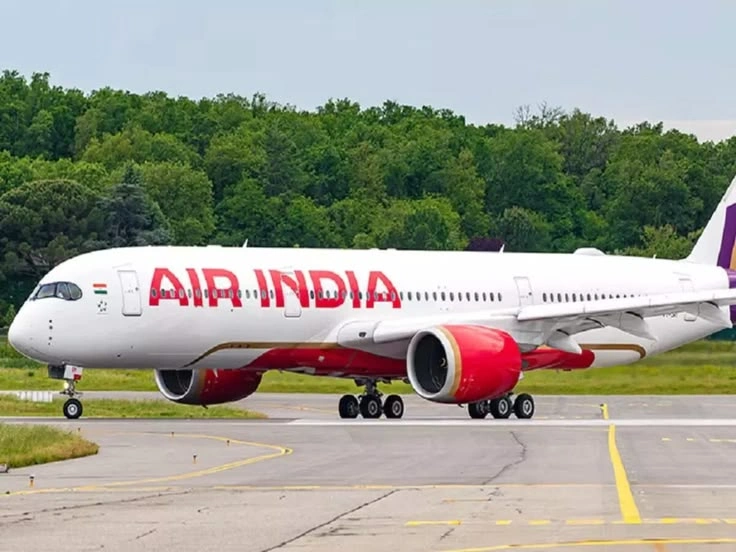
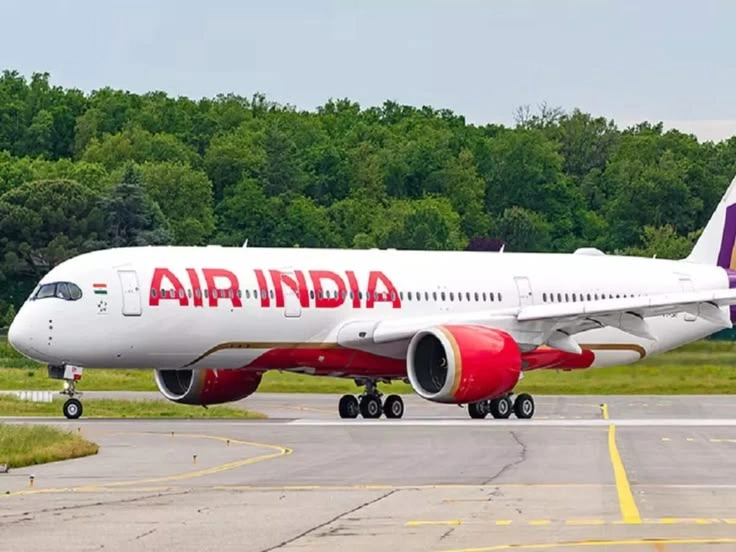
Air India Express has restarted and expanded its Gulf services, bringing back flights to Qatar and Bahrain while adding more capacity on routes to the UAE, Oman and Saudi Arabia from April 30, 2026. The move is a significant boost for Indian expatriates, workers, students and leisure travelers who depend heavily on affordable, direct connectivity to the Gulf region.
Why the restart matters
This is not just another schedule update. For millions of Indians with family, jobs and business ties across West Asia, Gulf air connectivity is part of everyday life, not a luxury. Air India Express said the restored services are aimed at reconnecting established travel corridors that are important for business travel, tourism and visiting friends and relatives, often called VFR traffic.
The timing also matters. The airline’s expansion comes ahead of the busy summer travel period, when demand rises sharply on India-Gulf routes and seat availability often becomes a concern, especially for passengers traveling to and from Kerala, Tamil Nadu, Karnataka and other major expatriate belts.
Routes and network expansion
Air India Express has reinstated operations to Qatar and Bahrain and continues to operate to key Gulf destinations including Al Ain, Abu Dhabi, Dubai, Ras Al Khaimah, Sharjah, Jeddah, Riyadh and Muscat. Reports also indicate that the airline is operating more than 40 daily services to West Asia after the latest restoration.
The airline’s expanded network is being served from a wide spread of Indian cities and regional airports. These include major metros such as Delhi, Mumbai and Bengaluru, along with high-demand gateways like Kochi, Kozhikode, Kannur, Hyderabad, Jaipur, Lucknow, Mangaluru, Thiruvananthapuram, Tiruchirappalli, Amritsar and Varanasi.
A practical view of the restarted Gulf network looks like this:
Qatar: Doha.
Bahrain: Manama.
UAE: Dubai, Abu Dhabi, Sharjah, Ras Al Khaimah and Al Ain.
Oman: Muscat.
Saudi Arabia: Jeddah and Riyadh, with some reports also noting Dammam on the wider West Asia map.
A relief for expatriates
For Indian expatriates in the Gulf, especially workers and families from southern India, restored routes can make a real difference. More flights usually mean better seat availability, fewer last-minute fare spikes and more flexible travel options for urgent family visits, holidays and job-related movement.
That matters in a market where even a small reduction in frequency can create pressure quickly. Many Gulf routes operate at high load factors because they serve multiple overlapping demand streams at once: labor migration, business travel, religious travel and summer home visits. What happens when one of those streams slows down or shifts? The answer is usually a tight market and higher fares, which is exactly why a ramp-up like this draws attention.
India-Gulf travel pattern
The India-Gulf aviation market has long been one of the busiest international corridors for Indian carriers. Air India Express positions itself as a value carrier, which makes it especially relevant on routes where price sensitivity is high and passenger volumes are large.
The restored services also reflect a wider recovery pattern in West Asia aviation. In recent weeks, Indian airlines have been reworking schedules as airspace conditions changed across the region, with earlier resumption of services to places like Jeddah and Muscat after prior disruptions. The latest step suggests a more stable operating picture, at least for now, and that is encouraging for both airlines and travelers.
Business and tourism impact
The return of more Gulf flights has implications beyond family travel. Business movement between India and the Gulf is substantial, and improved direct connectivity usually helps companies move staff, meet clients and maintain regional supply chains more efficiently.
Tourism also benefits. The Gulf is a major source market for India, but it is also a destination for Indian travelers, whether for short breaks, shopping, work visits or religious travel. Direct flights from tier-two and tier-three Indian cities make this traffic easier and cheaper to sustain. That is one reason airlines treat these routes as strategically important rather than just operationally routine.
The airline’s wider strategy
Air India Express now appears to be leaning into the strength of its West Asia network. Reports say the carrier has resumed and expanded operations at a scale of more than 40 daily services to the Gulf region, signaling a strong push to regain market share and reinforce its international footprint.
The airline also serves a broad domestic network alongside its international routes, linking 45 domestic and 17 international destinations according to reporting on its operations. That matters because Gulf traffic is not just about the destination city; it is about the feed from Indian towns and regional airports that funnel passengers into the international system.
In simple terms, the strategy is clear:
restore high-demand Gulf routes.
support expatriate travel.
strengthen regional airport connectivity.
improve aircraft utilization on dense international sectors.
What travelers should watch
Passengers planning travel to the Gulf should still keep an eye on schedules, because route resumption does not always mean every frequency is back instantly. Airlines often rebuild networks in stages, adjusting timing, aircraft assignment and seat inventory as demand firms up.
It is also wise to remember that Gulf travel demand is highly seasonal. Summer, holiday peaks and special travel windows can all affect fares and availability. For many travelers, the key question is simple: will the newly restored capacity be enough to hold prices down during peak weeks? That is the kind of thing passengers will be watching closely over the coming weeks.
Bigger picture
Air India Express’s Gulf restart is a useful reminder of how deeply India’s aviation story is tied to the Gulf economy and the Indian diaspora. Flights between the two regions are not just transport links; they are lifelines for families, jobs, trade and mobility.
With Qatar and Bahrain back in the network and services to the UAE, Oman and Saudi Arabia strengthened, the airline has sent a clear signal that India-Gulf connectivity remains a priority. For workers heading back to jobs in Doha or Dubai, for families planning summer trips, and for businesses relying on predictable air access, that is welcome news.
The broader test now is whether the restored momentum holds through the peak travel season. If it does, Air India Express may have turned a period of disruption into an opportunity to reinforce its role as one of the most important carriers on the India-Gulf corridor.
Air India Express Resumes Gulf Operations, Restoring a Vital Air Bridge for Indian Workers and Travelers