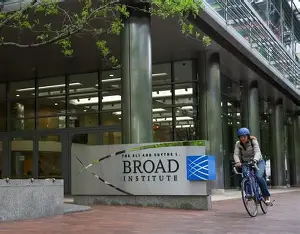
The Broad Institute, a prominent biomedical research center jointly operated by MIT and Harvard, has laid off 75 staff members due to a decline in federal research funding, the institute confirmed Wednesday.
The job cuts, which impact about 5 percent of the organization’s workforce, follow a continued decrease in public research investment that began during the Trump administration. The Institute, known globally for its contributions to genomic science and medical breakthroughs, said the decision was necessary to adapt to fiscal challenges while protecting its most critical research programs.
“This step, while difficult, ensures that we can continue our essential work under current financial constraints,” said Dr. Todd Golub, Director of the Broad Institute, in a public statement.
Federal Budget Shifts Affecting Research Institutions
Over the past several years, changes in federal funding priorities—particularly within the National Institutes of Health (NIH)—have led to reduced grant availability for large-scale research efforts. Institutions heavily reliant on public grants, such as the Broad Institute, have experienced increasing pressure to secure alternative sources of funding.
Despite the organization’s efforts to raise private donations and build industry partnerships, leadership acknowledged that those efforts could not entirely compensate for the drop in federal support.
Effects on Staff and Ongoing Projects
The layoffs have primarily impacted junior scientists, lab support personnel, and contract-based roles. Although the Institute did not specify which projects may be scaled back or paused, observers believe the cuts could slow progress on several early-stage research initiatives.
Support services, including career counseling and transition assistance, have been offered to affected employees.
“This isn’t just a Broad Institute issue—research centers across the country are feeling the strain,” said a senior scientist familiar with the layoffs.
Officials Call for Reinvestment in Science
Several Massachusetts lawmakers have responded with concern. Senator Elizabeth Warren called for increased federal investment in scientific research, warning that a lack of stable funding could hinder innovation.
“Our region leads the nation in life sciences. Maintaining that leadership depends on reliable support for researchers,” said Warren in a statement Thursday.
Representative Ayanna Pressley echoed those remarks, urging Congress to protect jobs in the scientific sector and safeguard the long-term future of research infrastructure.
Institutions Nationwide Facing Similar Challenges
The Broad Institute is not alone. Reports from other research universities and medical centers indicate similar staffing adjustments as a result of shrinking grant pools and more selective funding mechanisms.
Analysts warn that such developments may reduce the United States’ ability to compete globally in biomedical innovation, especially in fields like cancer genomics, infectious disease research, and precision medicine.
Although the Institute plans to increase its engagement with private funders and expand public-private partnerships, experts caution that an over-reliance on non-government funding could shift research priorities away from public benefit.