
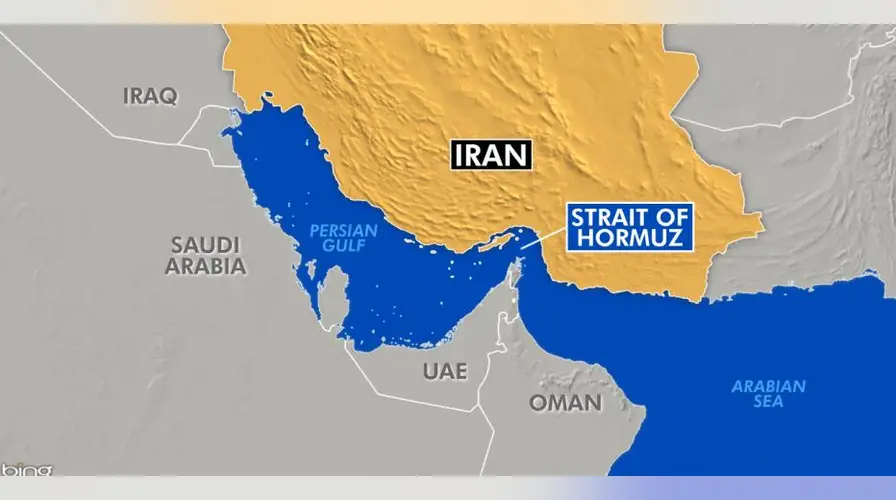
Tensions in the Middle East have escalated as Iran signaled intentions to shut down the Strait of Hormuz, a critical maritime chokepoint for global oil shipments. The announcement has triggered alarm across international markets, with energy experts warning of a potential surge in oil prices and disruptions to global supply chains.
The Strait of Hormuz, situated between the Persian Gulf and the Gulf of Oman, handles nearly 20% of the world’s petroleum traded by sea. Any disruption to its operations could send shockwaves through the global economy, particularly impacting oil-importing nations in Asia and Europe.
Iran’s bold statement comes amid heightened regional instability and ongoing disputes with Western powers over its nuclear program and alleged support for proxy militias in the region. A top Iranian military official reportedly stated that “the strategic strait will no longer be safe for passage if Iran’s sovereignty and interests are challenged.”
Markets responded immediately, with Brent crude oil prices climbing by over 3% in a single day. Analysts predict further increases if geopolitical tensions continue to rise. Major economies such as India, China, and Japan, which rely heavily on oil shipments through the strait, are closely monitoring the situation and bracing for potential price shocks.
In response to Iran’s threats, the United States Navy has increased its presence in the Persian Gulf to safeguard shipping routes. A Pentagon spokesperson emphasized that any attempt to close the strait would be considered a threat to international freedom of navigation and would provoke a strong response.
Oil and energy analysts warn that even a temporary closure could severely affect global energy supplies. “A disruption of this magnitude could lead to oil prices skyrocketing to over $100 per barrel, reigniting inflation concerns globally,” said energy strategist Daniel Yergin.
The United Nations has urged all parties to exercise restraint and engage in dialogue to prevent escalation. Diplomatic efforts are reportedly underway, with European nations attempting to mediate and de-escalate tensions between Tehran and Washington.
While this is not the first time Iran has issued such a threat, the current geopolitical climate and active military presence in the region make the situation more volatile than in previous years. The uncertainty has also rattled global stock markets, particularly energy and transport sectors.

