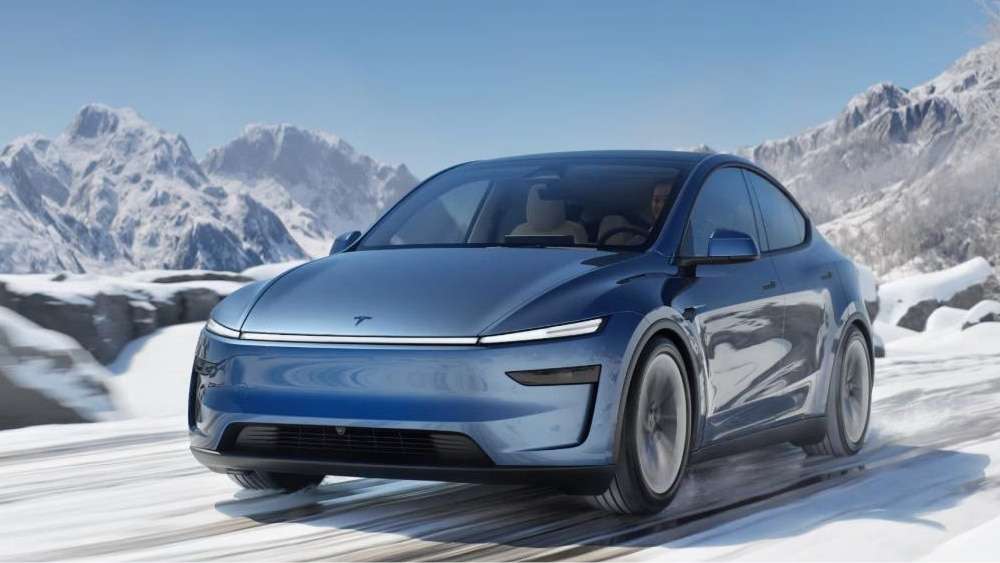
Tesla Inc., the global leader in electric vehicles, is poised to make a significant impact on the Indian automotive market with the launch of its China-made Model Y SUVs starting July 2025. This move marks a strategic entry into one of the world’s fastest-growing EV markets and aligns with India’s push for greener transportation solutions.
According to industry insiders, Tesla will initially import the Model Y SUVs from its Gigafactory in Shanghai, taking advantage of the Indian government’s revised EV import policy. The new scheme allows reduced import duties for companies investing in local manufacturing—a policy that Tesla reportedly plans to leverage by establishing a facility in India within the next two years.
The Model Y, Tesla’s best-selling SUV globally, combines performance, range, and advanced features at a relatively competitive price point. Equipped with Tesla’s signature Autopilot, a panoramic glass roof, and a range exceeding 500 km on a single charge (depending on variant), the vehicle is expected to appeal to India’s tech-savvy and environmentally conscious urban buyers.
Initially, Tesla is expected to offer two variants of the Model Y: the Long Range and the Performance models. Pricing is projected to start from ₹50–₹55 lakh, which could position it against premium SUVs such as the BMW X3, Mercedes-Benz GLC, and the Audi Q5.
Tesla’s decision to begin with imports before setting up a local manufacturing unit highlights a calculated entry strategy. India has been a challenging market for foreign automakers due to high import duties and a price-sensitive consumer base. However, recent government incentives and a growing appetite for EVs among Indian buyers have created a more favorable environment.
Tesla CEO Elon Musk, during his last meeting with Indian Prime Minister Narendra Modi, confirmed Tesla’s long-term commitment to India, citing strong potential for local production, battery innovation, and sustainable energy expansion.
Experts believe that Tesla’s entry could catalyze broader EV adoption across the country and push existing manufacturers like Tata Motors, Mahindra, and Hyundai to accelerate their EV plans. Furthermore, it may also prompt infrastructure growth, particularly in the areas of charging stations and renewable energy integration.