
June 26, 2025:
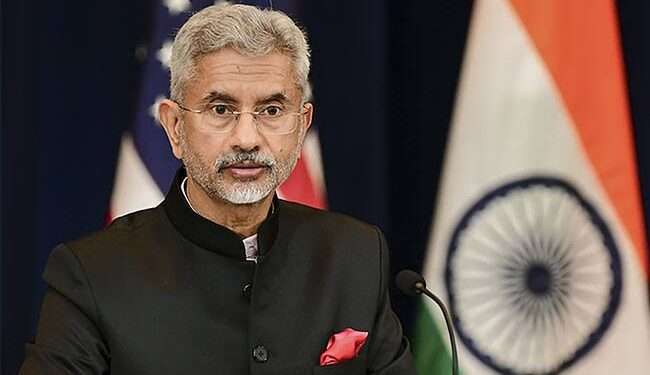
India has made it clear that it will not accept any joint statement by the Shanghai Cooperation Organisation (SCO) that does not explicitly mention terrorism. External Affairs Minister S. Jaishankar, representing India at the SCO summit in Astana, emphasized that the issue of terrorism must be addressed directly in all multilateral forums, including the SCO.
During the meeting of the Council of Heads of State, Jaishankar reiterated India’s unwavering stance on counter-terrorism. “Omitting references to terrorism from any official document is not acceptable to India. Terrorism remains a key threat to global and regional stability, and it must be acknowledged and condemned in clear terms,” he stated.
While Jaishankar did not directly name any country, his comments were perceived as a strong signal, particularly aimed at Pakistan — a fellow SCO member — over its alleged support for cross-border terrorism. India has consistently raised concerns on this issue in international forums, advocating for a zero-tolerance approach.
The SCO, which includes India, China, Russia, Pakistan, and four Central Asian nations — Kazakhstan, Kyrgyzstan, Tajikistan, and Uzbekistan — serves as a regional platform for cooperation on security, economic development, and political dialogue. India has used its presence within the group to urge a unified stand against terrorism and radical extremism.
Jaishankar warned against selective approaches to terrorism, stating that such practices weaken global counter-terrorism efforts. “There should be no ambiguity or double standards. A united and consistent message against terrorism is essential,” he added.
India has been pushing for stronger global action on terrorism through various initiatives, including at the United Nations and the Financial Action Task Force (FATF). It continues to advocate for the long-pending Comprehensive Convention on International Terrorism (CCIT), which aims to create a uniform legal framework against terrorism.
According to diplomatic sources, the initial draft of the SCO joint statement did not contain any mention of terrorism, prompting India to raise its objection. Jaishankar’s intervention reportedly led to renewed discussions among member states over the final wording of the declaration.
In addition to security issues, the summit also addressed topics such as regional connectivity, economic collaboration, and the situation in Afghanistan. However, India maintained that sustainable progress on these fronts requires a stable and secure environment, free from the threats posed by terrorism.
As the summit concluded, it was unclear whether India’s demand would be fully reflected in the final communiqué. Nevertheless, India’s strong stance reinforced its position as a vocal advocate for comprehensive and uncompromising global action against terrorism.

