
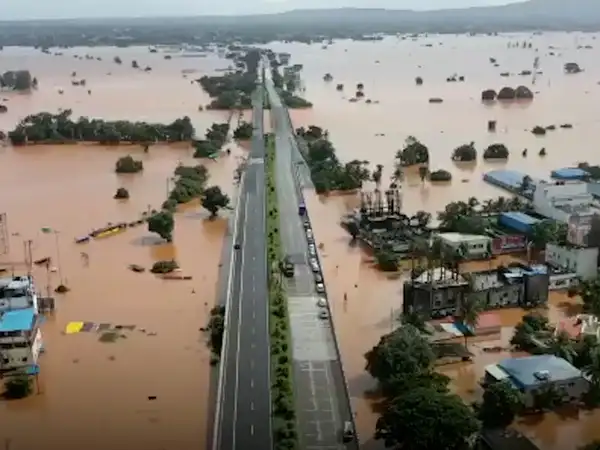
August 2025 – The southwest monsoon has once again disrupted life in Maharashtra, exposing the long-standing vulnerabilities of Mumbai and Pune. Despite repeated assurances of preparedness, both cities continue to struggle with flooding, waterlogging, and civic paralysis, raising questions about urban planning and disaster management.
Mumbai, India’s financial capital, faces unique challenges due to its coastal geography and outdated infrastructure. Large parts of the city are built on reclaimed land, with several neighborhoods lying below sea level. The century-old drainage system, designed to handle no more than 25 millimeters of rain per hour, is overwhelmed by today’s extreme downpours. The depletion of mangroves and narrowing of natural water bodies such as the Mithi river have further weakened the city’s resilience. High tides aggravate the situation, often trapping rainwater until levels recede.
This monsoon, areas like Goregaon, Kurla, and Dadar were once again submerged, drawing comparisons to the catastrophic floods of 2005. Frustrated residents have criticized the slow pace of drainage upgrades, particularly the Brihanmumbai Storm Water Disposal System project, which remains incomplete despite years of investment. Officials point to ongoing works and central funding, but experts argue that climate change is intensifying rainfall faster than the infrastructure can adapt.
Pune, on the other hand, faces a different set of problems. The city’s basin-like topography channels rainwater from the surrounding Western Ghats into its urban core. Over the past decade, Pune’s boundaries have expanded rapidly, but stormwater infrastructure has not kept pace. Only a fraction of the city’s roads have proper drainage systems, and newly developed areas like Hinjewadi and Kharadi continue to flood after short spells of rain.
Natural streams, once vital for draining excess water, have been encroached upon or lost to construction. Studies suggest that nearly 40 percent of these waterways have disappeared in recent decades. Civic efforts such as desilting and mapping of flood-prone spots have offered limited relief, as fresh waterlogging points emerge with every season. In addition, poor coordination between multiple governing bodies — including the Pune Municipal Corporation, Pimpri-Chinchwad Corporation, and development authorities — hampers effective flood response. Mismanagement of dam releases, as seen with the Khadakwasla reservoir in previous years, has also contributed to downstream flooding.
A comparison of the two cities reveals a common pattern: erosion of natural buffers, inadequate infrastructure, and insufficient governance. Mumbai struggles with tidal interference and colonial-era drains, while Pune contends with fragmented administration and unchecked urbanization. In both cases, the effects of climate change have made the situation worse, with more intense and erratic rainfall pushing civic systems beyond their limits.
Experts believe that lasting solutions require more than temporary clean-up drives. Restoring mangroves and streams, modernizing drainage systems, and improving inter-agency coordination are essential for building resilience. Unless these measures are prioritized, the monsoon will continue to bring annual chaos to Maharashtra’s two most important cities, leaving citizens to navigate floods that have long ceased to be exceptional.

