
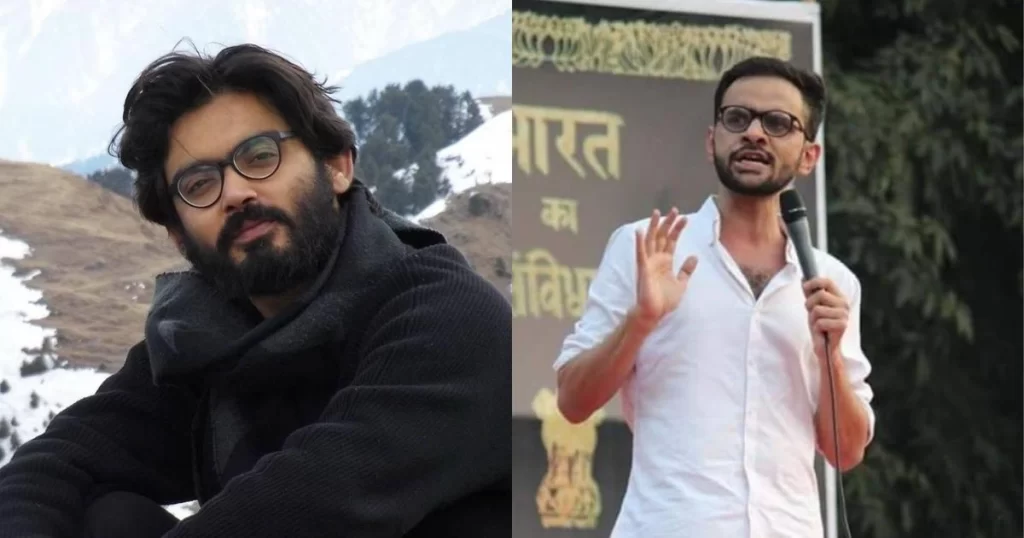
The Supreme Court of India on January 5, 2026, denied bail to activists and former student leaders Umar Khalid and Sharjeel Imam in connection with the 2020 Delhi riots conspiracy case, delivering a significant ruling that underscores the judiciary’s stance on cases involving alleged large-scale public disorder. A bench comprising Justices Aravind Kumar and N.V. Anjaria held that both accused stand on a “qualitatively different footing” compared to other individuals granted bail in the same case, citing the gravity and nature of allegations against them.
Background of the Case
The 2020 Delhi riots, which erupted in February that year, resulted in widespread violence, loss of lives, and extensive damage to public and private property. The violence coincided with protests against the Citizenship Amendment Act (CAA), prompting multiple investigations into alleged conspiracies behind the unrest. Umar Khalid and Sharjeel Imam were arrested under stringent provisions of the Unlawful Activities (Prevention) Act (UAPA), with authorities alleging their involvement in orchestrating and mobilising protests that escalated into violence.
Both accused have consistently denied the charges, maintaining that they were exercising their constitutional right to dissent. Their prolonged incarceration and repeated bail pleas have made the case one of the most closely watched legal battles related to the Delhi riots conspiracy.
Supreme Court’s Observations
In its ruling, the Supreme Court emphasised that parity with other accused could not be automatically claimed. The bench noted that the alleged roles attributed to Khalid and Imam were distinct and more consequential, thereby justifying a different legal assessment at the bail stage.
Key observations highlighted by the court include:
- The seriousness of the allegations under UAPA
- The alleged role in planning and coordination rather than mere participation
- The potential impact on public order and national security
The court clarified that its decision was limited to the question of bail and did not amount to a determination of guilt or innocence.
Why Bail Was Denied
The denial of bail was rooted in the court’s interpretation of statutory restrictions under UAPA, which sets a high threshold for granting bail in cases involving alleged terrorist acts or conspiracies. According to the bench, the materials on record indicated a prima facie case that warranted continued custody at this stage of the proceedings.
Key factors considered by the court:
- Nature and gravity of the alleged conspiracy
- Stage of the trial and pending examination of evidence
- Distinct role attributed to the accused compared to co-accused
Broader Legal and Political Implications
The Supreme Court’s decision has reignited debate around the use of anti-terror laws, prolonged pre-trial detention, and the balance between civil liberties and state security. Legal experts note that the ruling reinforces judicial caution in granting bail under UAPA, particularly in cases involving allegations of organised violence.
At the same time, civil rights groups and political observers argue that extended incarceration without conviction raises concerns about due process and freedom of expression, especially when student activists and protest leaders are involved.

